



Choose Quality, Comfort & Responsibility
From Waste to Wardrobe – Without the Compromise
There’s something quietly satisfying about the idea that a plastic bottle can become a Windbreaker.
Not in a gimmicky, “look how eco we are” way – but in the very practical sense that a material destined for landfill gets a second life as something you actually wear, daily, for years.
That’s the real promise of recycled clothing: not perfection, but progress. And when it’s done well – with quality construction, honest materials, and a design built for real use – it’s genuinely hard to argue against.
In this article, we’re focusing specifically on outerwear and layering pieces made from recycled materials: what to look for, what to watch out for, and how to find pieces worth wearing for the long haul. Less “save the planet” pressure, more useful orientation.

What “Recycled Materials” Actually Mean in Clothing
The term gets used a lot – so it’s worth understanding what’s really behind it.
Post-consumer recycled materials are made from products that have already been used and discarded – plastic bottles and packaging being the most common source for recycled polyester (rPET). These materials are collected, processed, and spun into fibers that can then be woven or knitted into fabric.
Pre-consumer recycled materials come from factory offcuts and manufacturing waste – material that never made it to a consumer in the first place, repurposed instead of discarded.
Both approaches reduce the demand for virgin raw materials and extend the useful life of existing resources. That’s genuinely valuable.
One honest caveat though: recycled doesn’t automatically mean fully sustainable. The recycling process itself uses energy and water. Recycled synthetic fabrics can still shed microfibers during washing. And a piece made from recycled materials but designed to fall apart after one season isn’t really a step forward.
What matters is the combination: recycled materials + quality construction + longevity. That’s where the real benefit lies.
Where Recycled Materials Make the Most Sense
Not every garment benefits equally from recycled fabrics – but outerwear and layering pieces are genuinely ideal candidates.
Here’s why: outerwear is built to last. A Windbreaker, Vest, or Jacket typically gets worn across multiple seasons, washed less frequently than base layers, and subjected to real-world conditions – wind, light rain, movement, temperature shifts. These are exactly the use cases where durable recycled polyester performs well.
Recycled polyester is lightweight, packable, and resistant to the kind of wear that would degrade natural fibers quickly. In a Windbreaker, it handles movement and wind resistance without adding bulk. In a Vest or Sherpa-style piece, it provides warmth without weight. For layering – the kind of outfit logic that takes you from a morning dog walk to an afternoon in the city – it’s a practical and honest choice.
The Western lifestyle that runs through everything we do at LavendersRanch is very much an outdoor one: transitional weather, varied terrain, days that shift between activity and rest. Recycled outerwear fits that context naturally – not as a statement piece, but as a reliable everyday layer.
How to Spot Quality in Recycled Clothing
This is where it gets practical – because not all recycled clothing is made equally, and the difference between a piece that lasts five years and one that pills after five washes often comes down to a few specific details.
Fabric feel and structure
Good recycled polyester has a stable, consistent hand – it shouldn’t feel flimsy or uneven. Run your hand across the fabric: it should feel the same everywhere, with no thin patches or areas that pull easily.
Stitching and seams
Turn the piece inside out and look at the seam construction. Flat-felled or reinforced seams hold up significantly better under repeated movement and washing. Loose threads or uneven stitching at this stage will only get worse.
Zippers, snaps, and hardware
The hardware on a Jacket or Vest is often the first thing to fail. Metal zippers with a smooth pull and a well-stitched base are worth paying attention to. Plastic components that feel lightweight and hollow are usually a warning sign.
Fit and movement
A piece built for real use should move with you, not against you. Try raising your arms, reaching forward, and sitting down. If the seams pull or the cut restricts movement, that’s a fit issue that won’t improve with wearing in.
The longevity mindset
The most honest quality check is this: does this piece feel like something you’d still want to wear in three years? Buy less, wear longer – that principle applies here more than anywhere.
Comfort Matters – Breathability, Layering & Temperature Control
One of the most common complaints about synthetic outerwear is the “stuffy” feeling – that slightly trapped warmth that makes a jacket uncomfortable the moment you start moving.
It usually comes down to two things: breathability and layering logic.
A well-designed recycled Windbreaker doesn’t need to be your warmest layer – it needs to be your most versatile one. Its job is wind resistance, light weather protection, and packability. The warmth comes from what you wear underneath: a base layer that manages moisture, a mid layer that holds heat. The Windbreaker closes the system.
This layering approach – base + mid + outer shell – is more adaptable than any single “do everything” Jacket, and it’s the reason a good Windbreaker often makes more practical sense than a heavy rain shell for everyday movement. You can add or remove layers as the day changes, without ever being over- or underdressed.
For transitional seasons especially – early autumn, late spring, everything in between – this system works better than almost anything else. And when the outer shell is made from quality recycled polyester, you get durability and packability without any additional weight.
The Honest Sustainability Check
Recycled materials are a genuine step in the right direction. But it’s worth being clear-eyed about both sides.
The real benefits:
- Reduced demand for virgin petroleum-based polyester
- Diverting existing waste from landfill and ocean
- Lower energy use in production compared to virgin synthetics (in most processes)
The honest trade-offs:
- Recycled synthetics still shed microfibers during washing – a washing bag designed to catch fibers is worth using
- Recycling has limits: most recycled polyester can only be recycled once or twice before fiber quality degrades
- The collection and processing of recyclable materials still has its own footprint
None of this cancels out the benefits. But it does reinforce the core point: the most sustainable piece of clothing is the one you wear for a long time. Material choice matters, but longevity multiplies its impact. A recycled Jacket worn 300 times is far more valuable – in every sense – than a recycled Jacket worn 30 times.
Sustainability Isn’t Just the Material – Fair Production & Transparency
A piece made from recycled polyester but produced under exploitative conditions isn’t truly a step forward. Material choices are one dimension of responsible clothing; the human dimension is just as important.
Fair working conditions, responsible production partners, and honest communication about where and how something is made – these are not optional add-ons to sustainability. They’re part of the same system.
What should a brand be able to tell you clearly?
- Where the piece was produced
- What materials are used, specifically
- What standards apply to their production partners
- How to care for the piece to extend its life
If a product page can’t answer these questions, that’s useful information. Transparency is not complicated – it just requires a brand to have thought seriously about what they’re doing and why.
Our Approach at LavendersRanch
At LavendersRanch, our recycled outerwear pieces are made from 100% recycled polyester – chosen for its durability, everyday functionality, and honest material story.
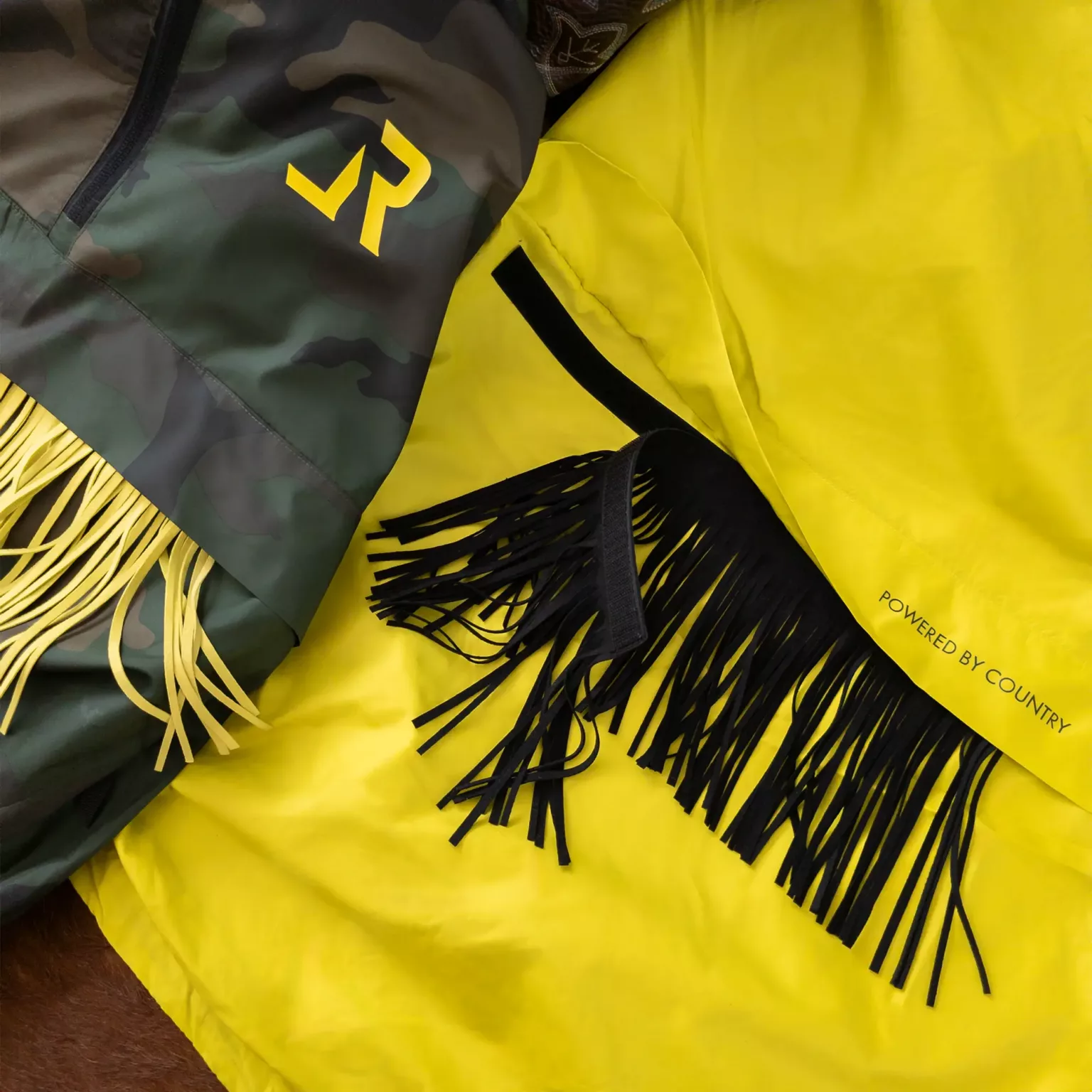
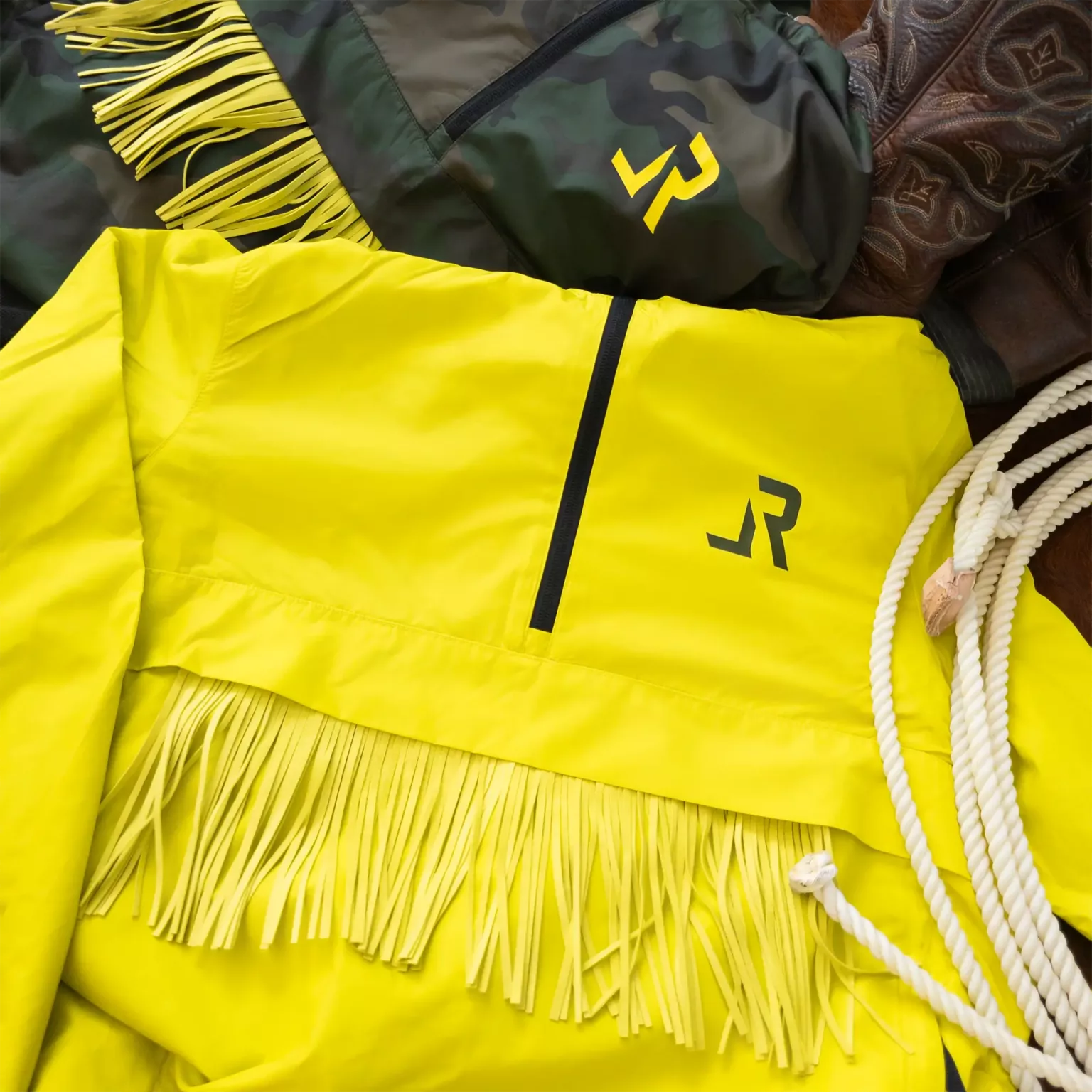
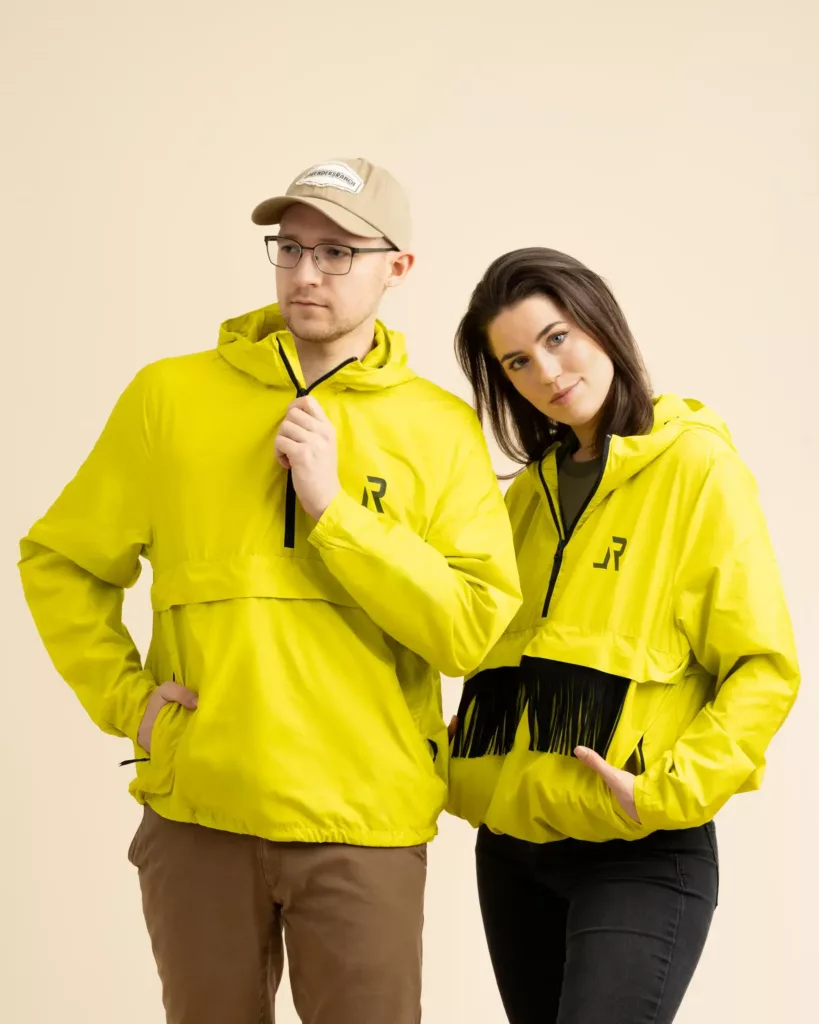
Each piece is designed with real wear in mind: movement, layering, transitional weather, and the kind of daily use that demands construction quality above everything else. Our BETAZZELED Windbreakers, for example, feature the Tazzel System – a thoughtful design detail that adds function without adding bulk, and reflects the kind of considered approach we bring to every piece.
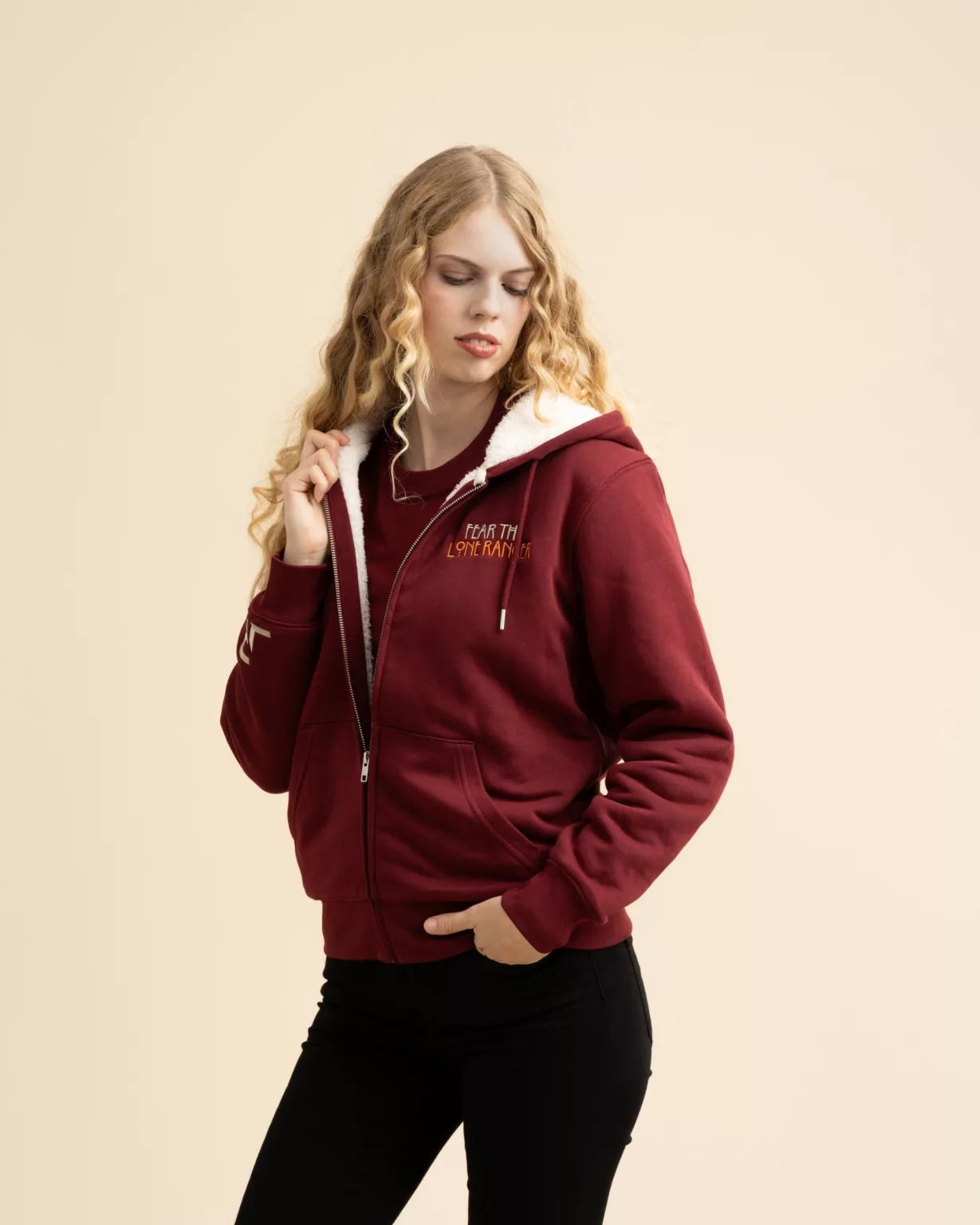
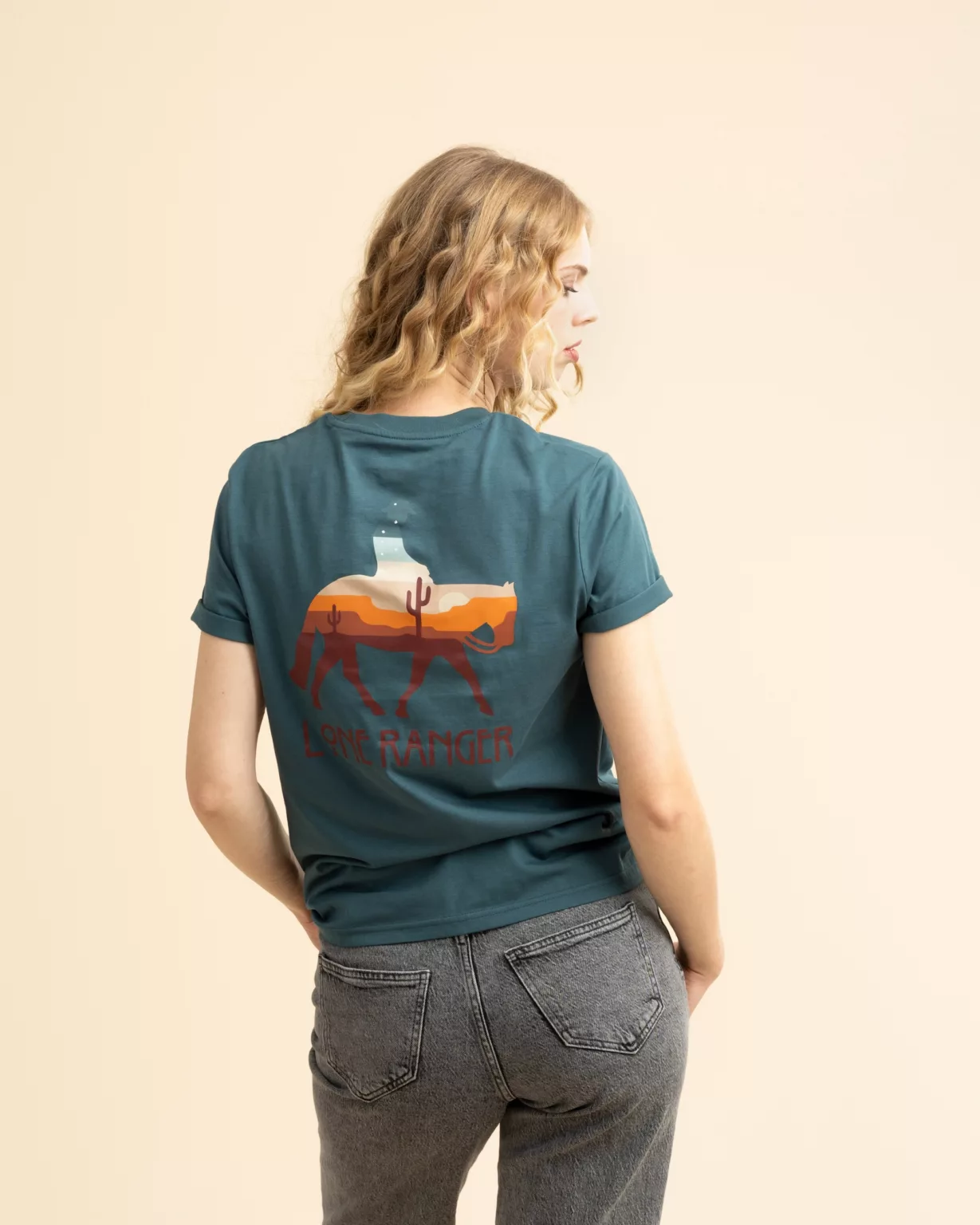
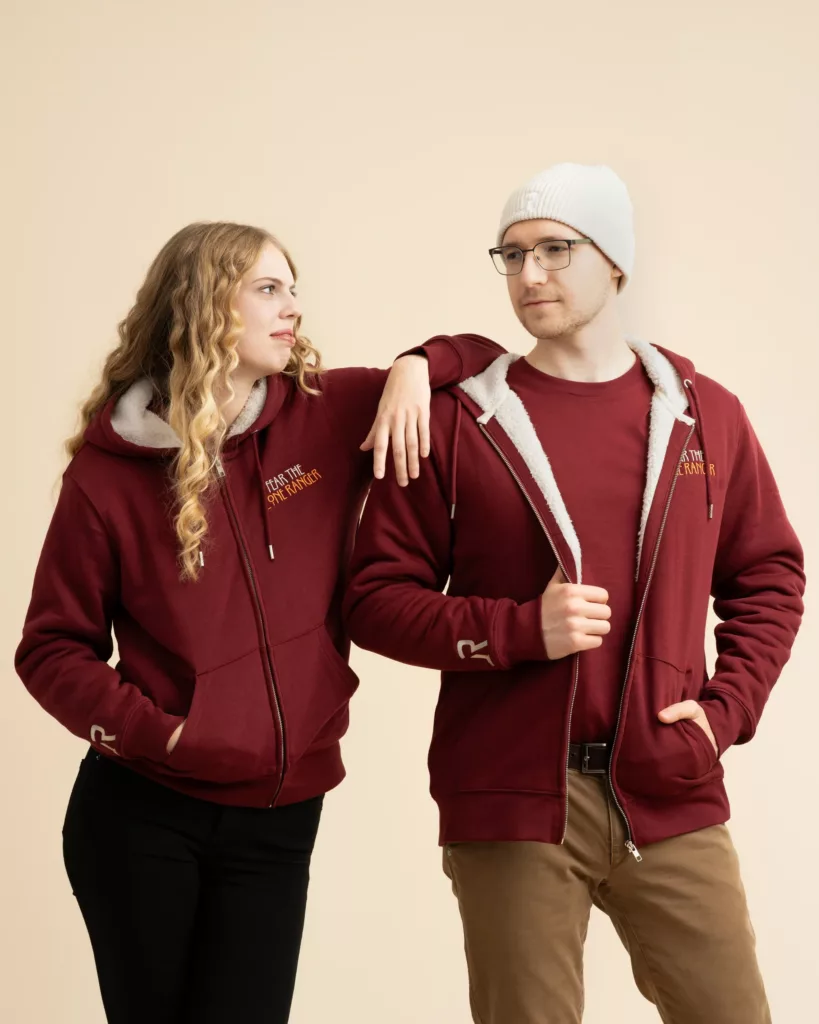
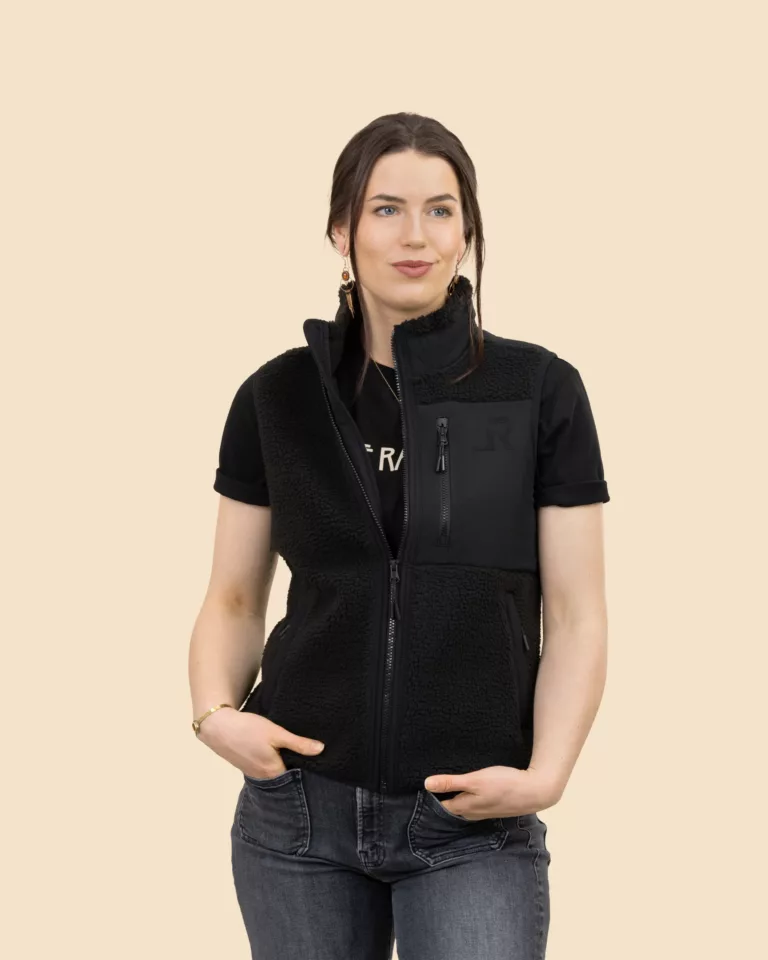
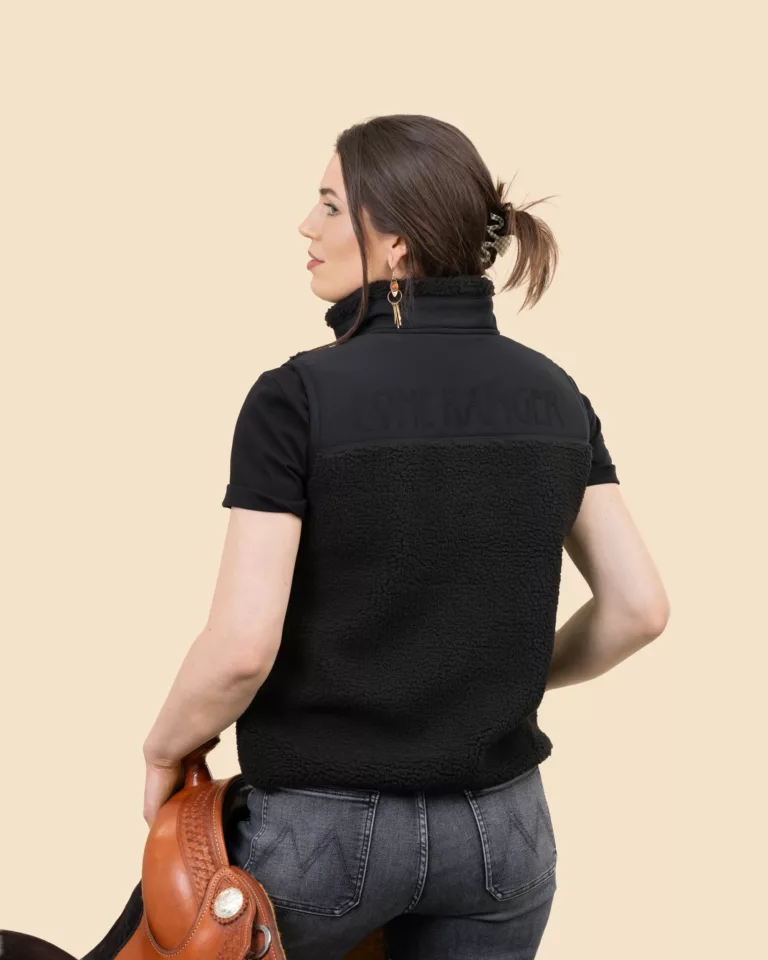
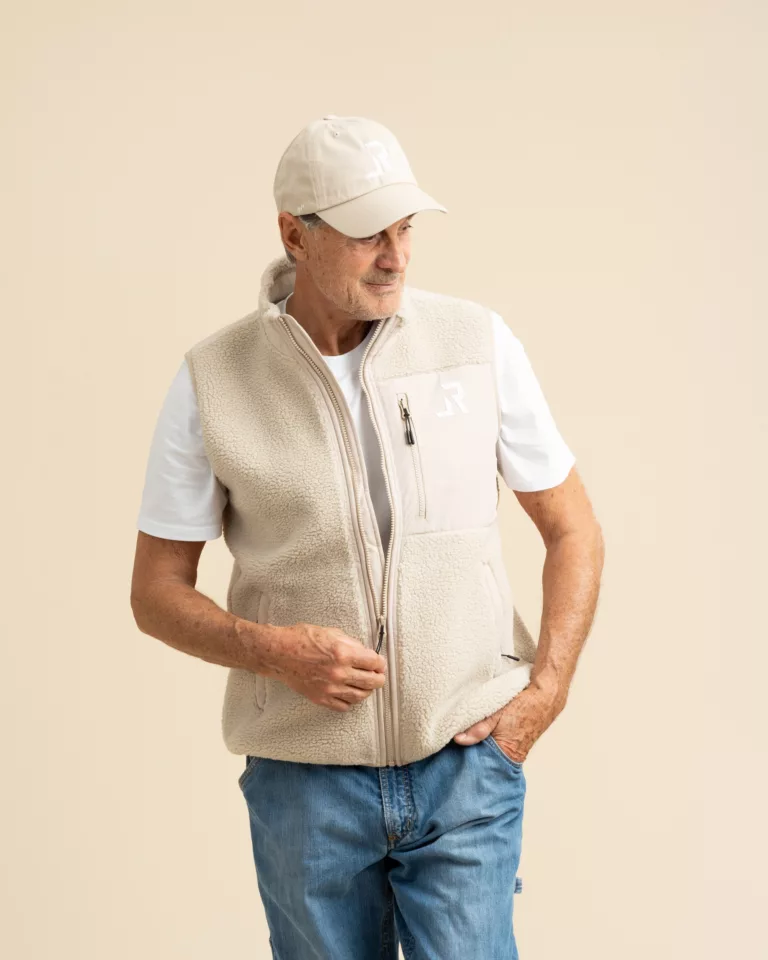
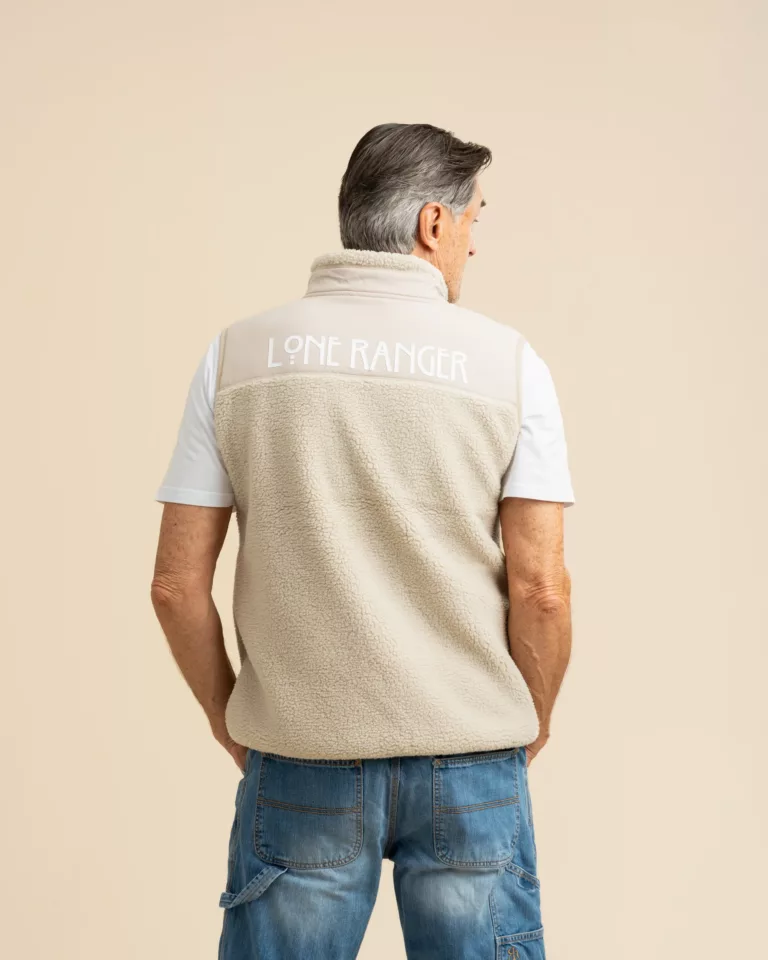
The same standard applies across our recycled collection: our LONE RANGER Sherpa Vests are built for warmth and versatility and are perfect for layering – they’ll keep up with you no matter what.
If you’d like to explore our full recycled outerwear range, you can browse our Outerwear Collection, Windbreakers, and Recycled Vests directly.
Our Recycled Picks
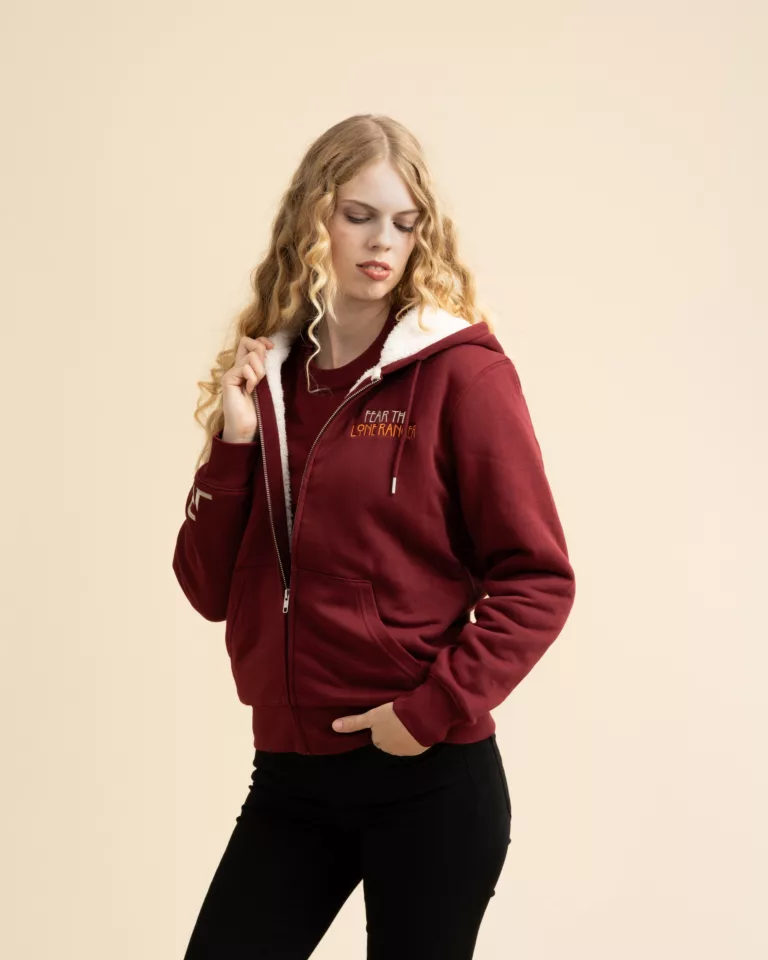
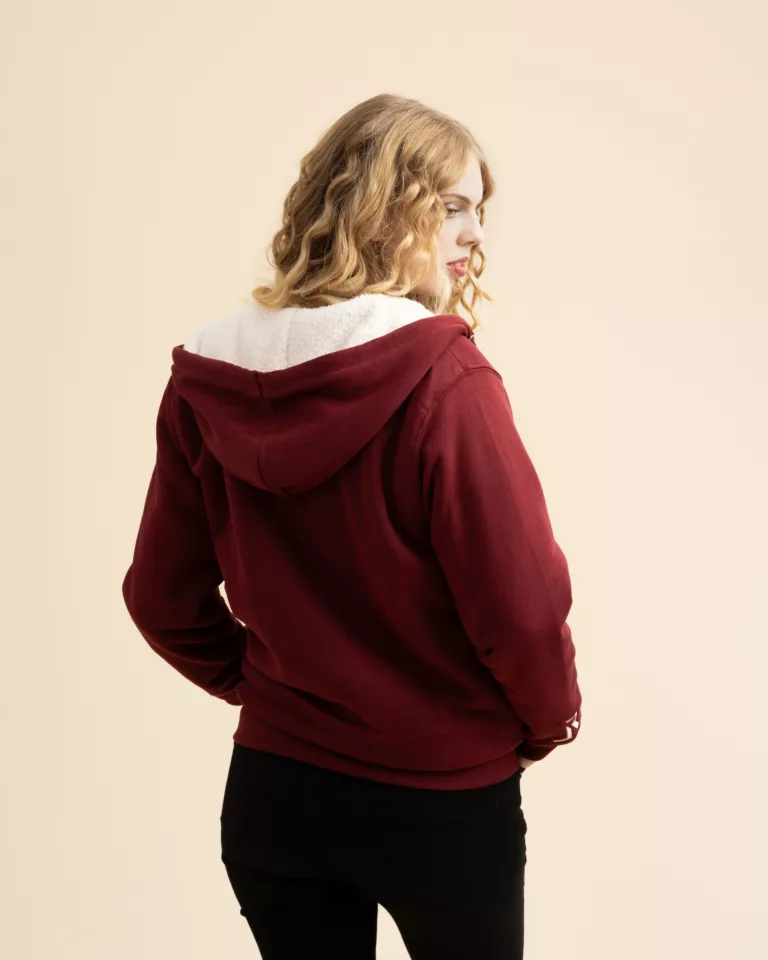
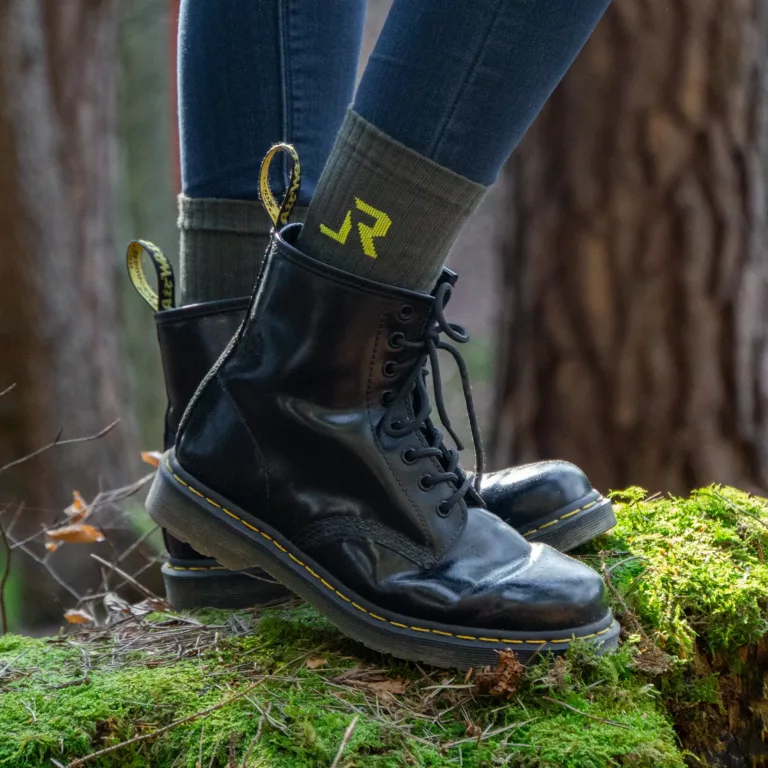
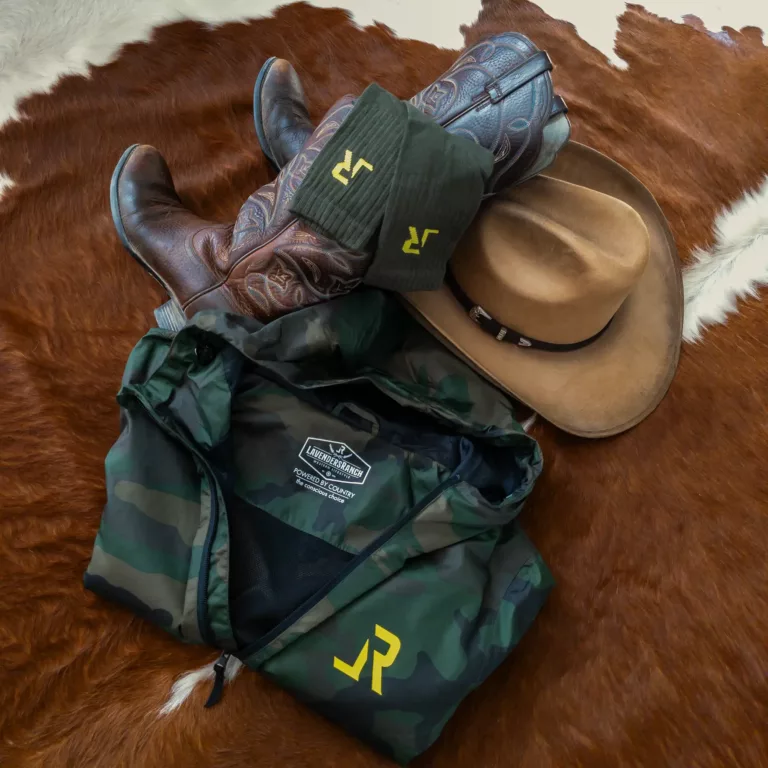
Pieces made from 100% recycled polyester – built for everyday use and designed to last:



Responsible Clothing Is a System, Not a Label
Recycled materials are a meaningful part of the picture – but only part of it.
Real responsibility in clothing means combining better materials with quality construction, fair production, and a design philosophy built for longevity rather than trend cycles.
At LavendersRanch, that combination guides every decision we make. We hope this article gave you a useful framework for evaluating what you buy – and the confidence to ask the right questions when something doesn’t add up.
If you have questions about specific pieces or want help finding the right fit for your wardrobe, reach out anytime.
Take care! 🤠
Lenny
Founder & CEO
LavendersRanch