

Why It Matters for Us and Our Planet
What Is Fair Fashion?
Fair fashion is one of those terms that sounds pretty straightforward — until you notice everyone uses it differently.
Some brands use it to mean organic cotton. Others use it to signal recycled packaging. A few use it simply because it tests well in marketing research. And that’s exactly the problem: when a term can mean almost anything, it starts to mean nothing.
So let’s be clear about what fair fashion actually is – and what it isn’t.
Fair fashion is not a material. It’s not a certification. It’s not a price point.
Fair fashion is a system – one built on the idea that every person involved in making your clothes deserves to be treated with dignity, paid fairly, and protected from harm. It includes the materials chosen, the conditions they’re produced under, the lifespan of the finished product, and the transparency of the brand selling it.
Organic cotton without fair wages? Not fully fair fashion.
Recycled materials produced in unsafe conditions? Same problem.
Fair fashion means all of it – people, materials, quality, and honesty. Together.
The 4 Pillars of Fair Fashion
If you want a practical framework for understanding what fair fashion really involves, these four pillars cover it:
Pillar 1 – Safe Working Conditions
Every person in the production chain – from the person who harvests the raw materials to the one who sews the final seam – deserves a safe place to work. That means protection from harmful substances, reasonable working hours, and a workplace where people are treated with basic respect.
This sounds obvious. And yet it’s far from standard in conventional fashion manufacturing.
Pillar 2 – Fair Pay & Dignity
Fair compensation means wages that actually cover living costs – not minimum wage floors set at the lowest politically acceptable level, but pay that reflects the value of skilled, attentive work. It also means recognizing that the people who make clothing are skilled workers, not interchangeable units in a supply chain.
Pillar 3 – Responsible Materials
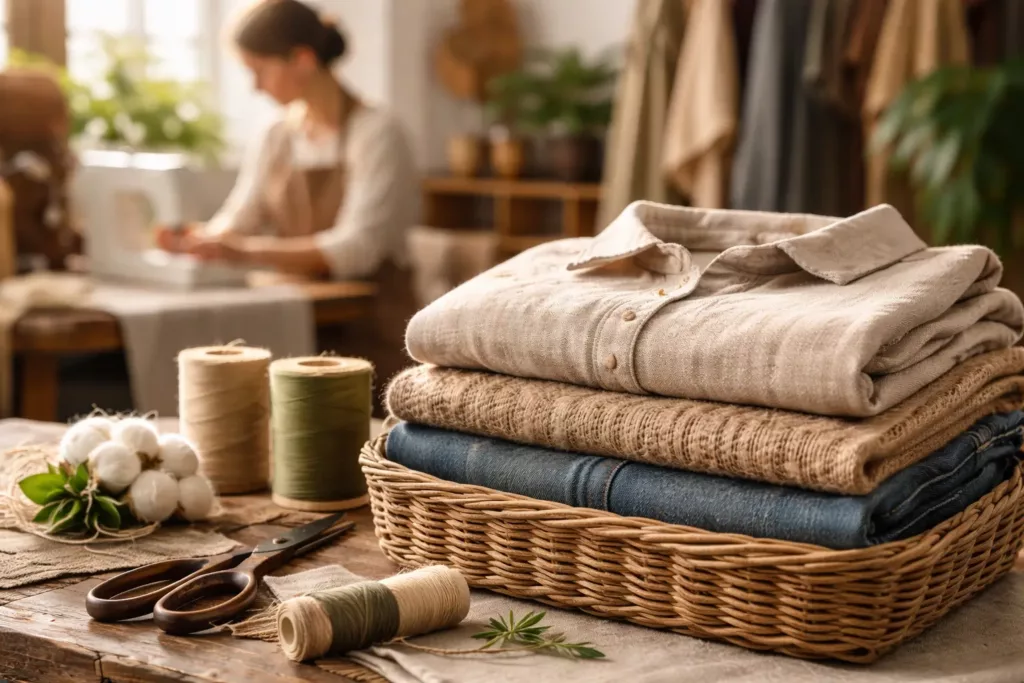
The materials a brand chooses say a lot about its values. Organic cotton, recycled fibers, and natural materials sourced from responsible suppliers all reduce environmental impact and limit exposure to harmful chemicals – both for the people producing them and the people wearing them.
This doesn’t require perfection. It requires conscious decisions and honest communication about what those decisions are.
Pillar 4 – Transparency & Traceability
A brand committed to fair fashion should be able to tell you where its products are made, who makes them, and what standards apply. Not in vague terms, but in specifics. If a brand can’t – or won’t – answer those questions, that’s worth noticing.
Transparency isn’t just a nice-to-have. It’s the only way consumers can make genuinely informed choices.
Fair Fashion vs. Fast Fashion – The Real Difference
Fast fashion is a system built on one core priority: speed to market at the lowest possible cost.
That model works beautifully if you don’t ask too many questions about how it’s achieved.
The answers, when you do ask, tend to involve: production in regions with minimal labor protections, materials chosen for cost rather than quality, and design cycles so fast that pieces are obsolete before they wear out – which, given the materials involved, often isn’t long anyway.
Fair fashion is built on a different priority: responsibility.
Not as a slogan, but as an operational standard. It costs more to pay people fairly. It costs more to source better materials. It costs more to produce in smaller batches with better construction. That’s not a bug in the fair fashion model – it’s the point.
And here’s the part that often gets overlooked: longevity is the quiet sustainability multiplier.
A piece of clothing worn 200 times has a very different environmental footprint than one worn 20 times and discarded. Fast fashion’s real cost isn’t the price tag – it’s everything that doesn’t show up in it.
How to Spot Fair Fashion – A Practical Guide
Not every brand that uses the word “fair” means it. Here are some concrete ways to tell the difference:
What a good product page should tell you:
- The materials used, specifically (not just “premium fabric”)
- Where and how the piece was produced
- Care instructions that help you extend its life
Red flags worth noticing:
- Vague language like “consciously made” with no further explanation
- “Eco” or “sustainable” claims without any material or production specifics
- No information about production location or supply chain
Questions worth asking any brand directly:
- Where is this made?
- Who produces it?
- What standards apply to your suppliers?
A brand committed to fair fashion will answer these questions without hesitation. One that deflects or responds with marketing language is telling you something important.

Why Fair Fashion Often Costs More
This one deserves a straightforward answer, without defensiveness.
Fair wages cost more than unfair ones. Better materials cost more than cheap ones. Smaller production runs with higher quality control cost more than mass manufacturing. When you buy fair fashion, you’re paying for all of that – and for the transparency that lets you know it’s real.
The useful reframe here is cost per wear: a piece that lasts five years and gets worn regularly is, by almost any measure, better value than a cheaper piece that falls apart in a season. Fair fashion asks you to think less about the price at purchase and more about the value over time.
That’s a different relationship with clothing – and for most people who make the shift, it’s one they don’t go back from.
Fair Fashion in Practice – Materials That Support the Values
Fair fashion shows up in decisions, not slogans. Here are some of the material choices we’ve written about in more detail:
- Organic cotton – grown without harmful pesticides, better for farmers and wearers alike → Read our article on Organic Cotton
- Recycled materials – reducing waste by giving existing materials a second life → Read about our Recycled Materials
- 14k Gold Filled jewelry – a durable, skin-friendly alternative to conventional gold plating → What Is Gold Filled?
- Handmade jewelry from Germany – small-batch, crafted with care under fair conditions → Handmade Jewelry from Germany
Each of these is a decision – one we make deliberately, and one worth understanding before you buy.
Our Approach at LavendersRanch
Fair production isn’t an aspiration for us – it’s a baseline.
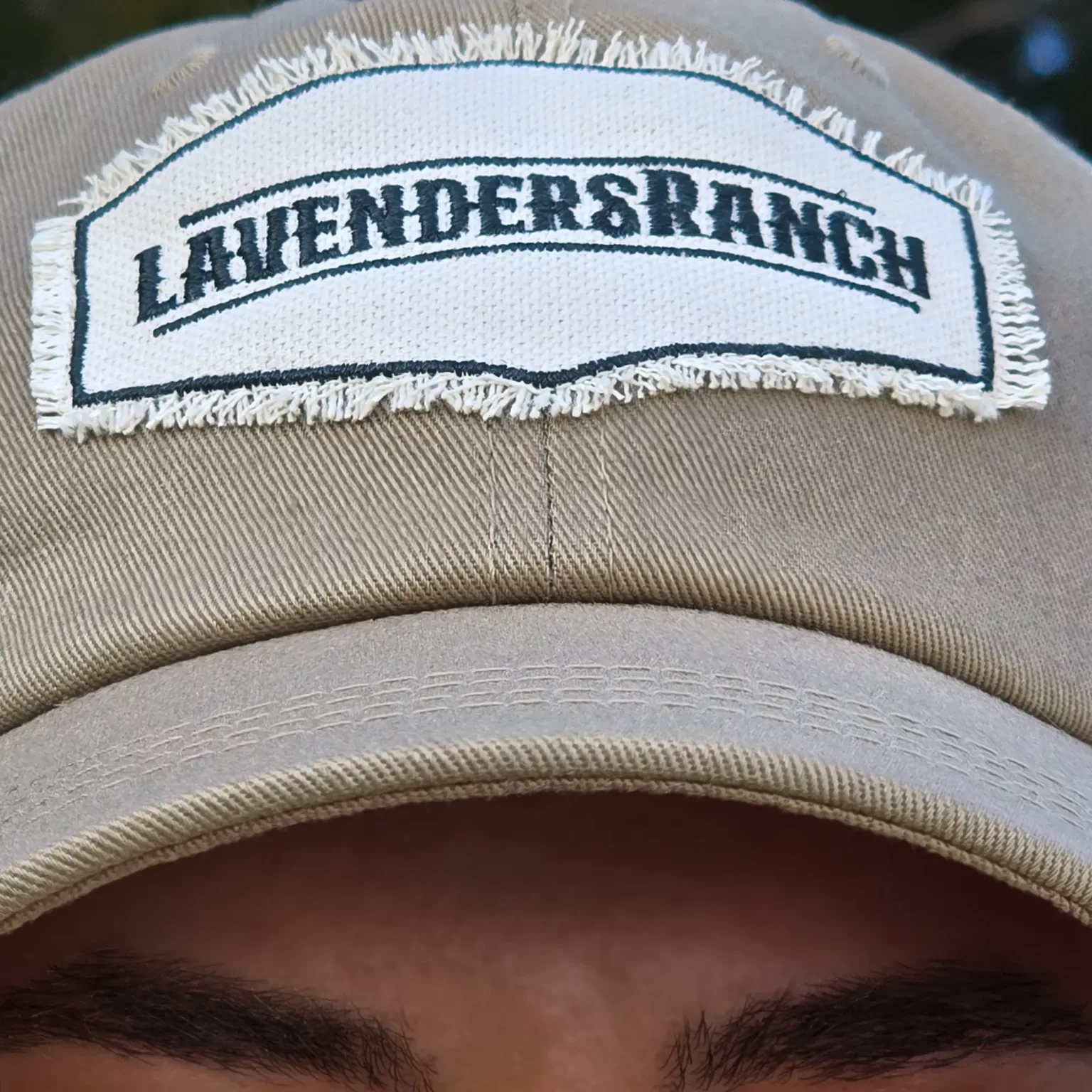
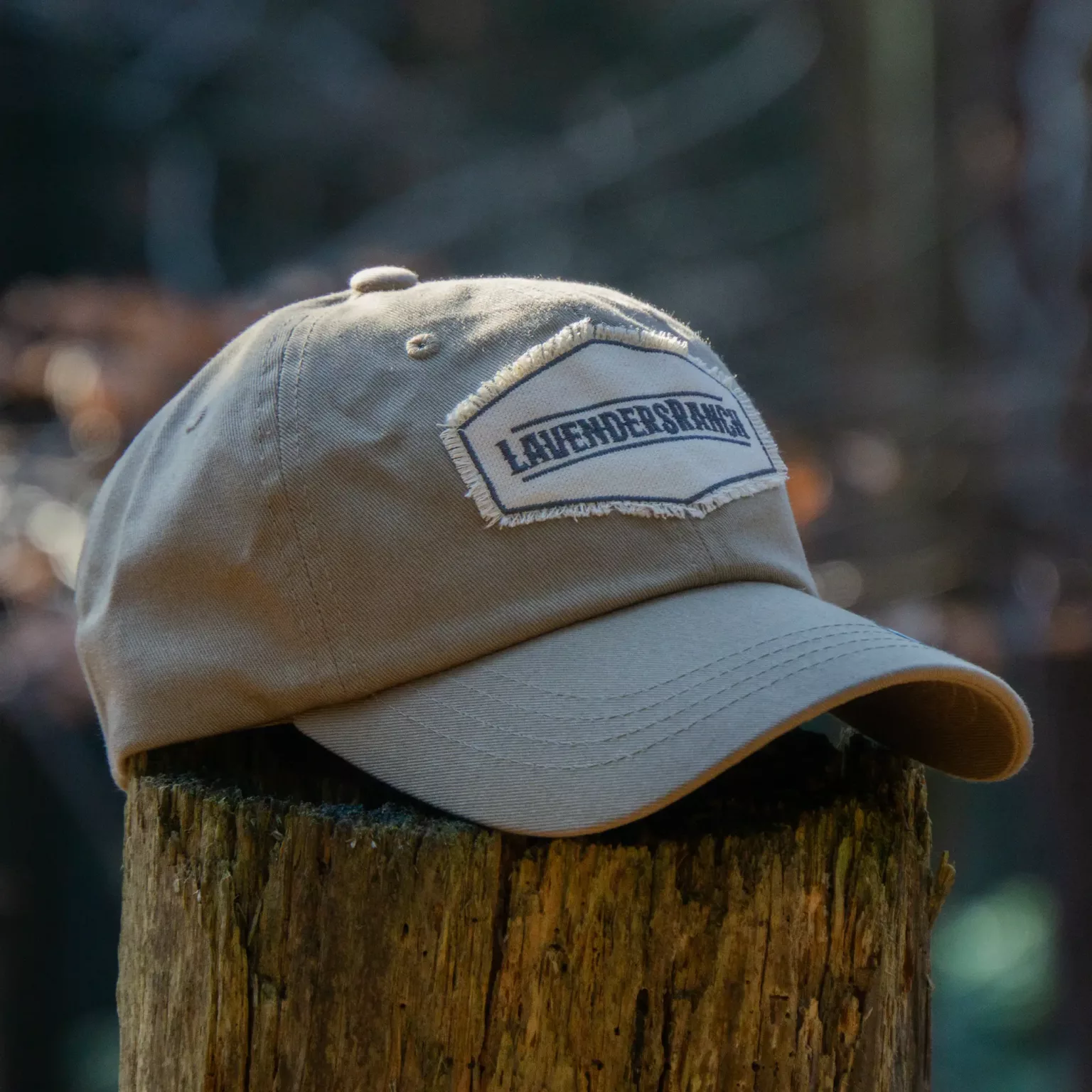
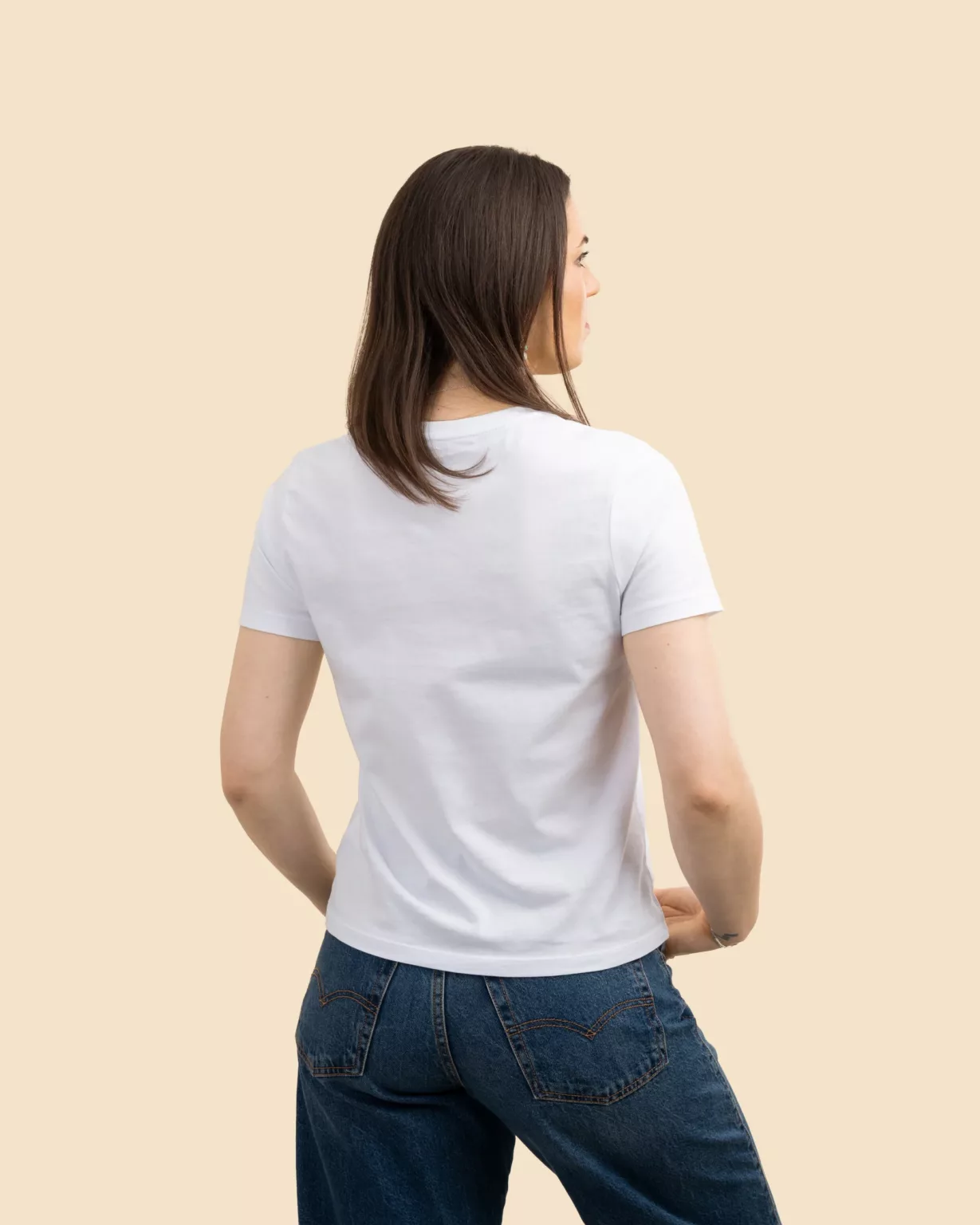
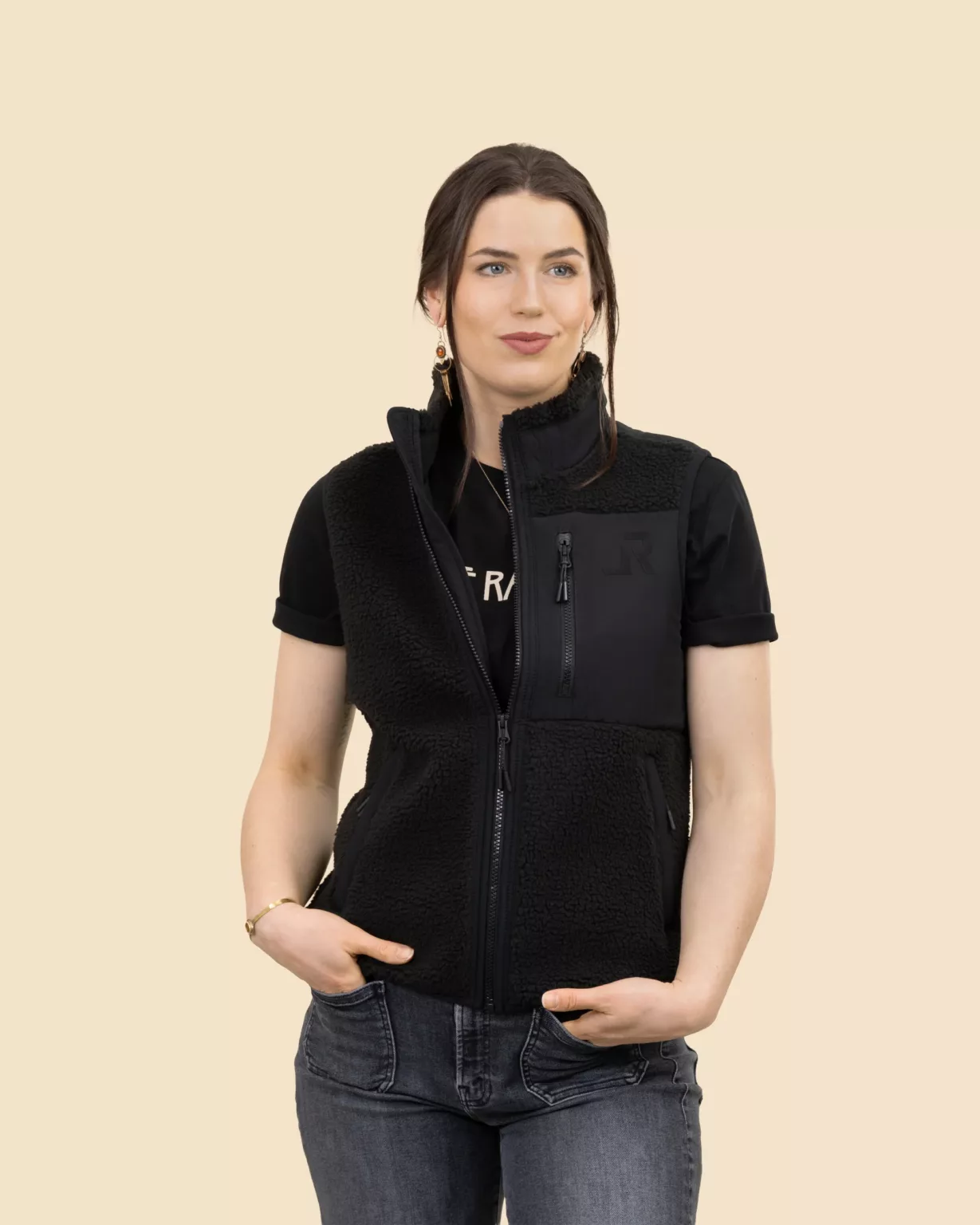
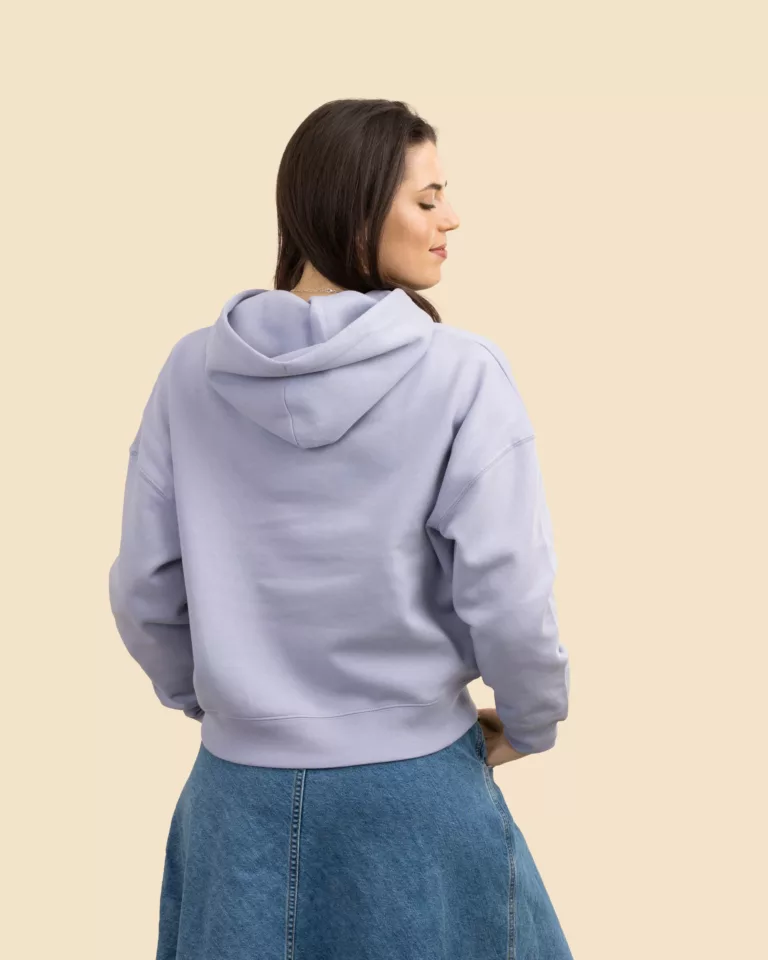
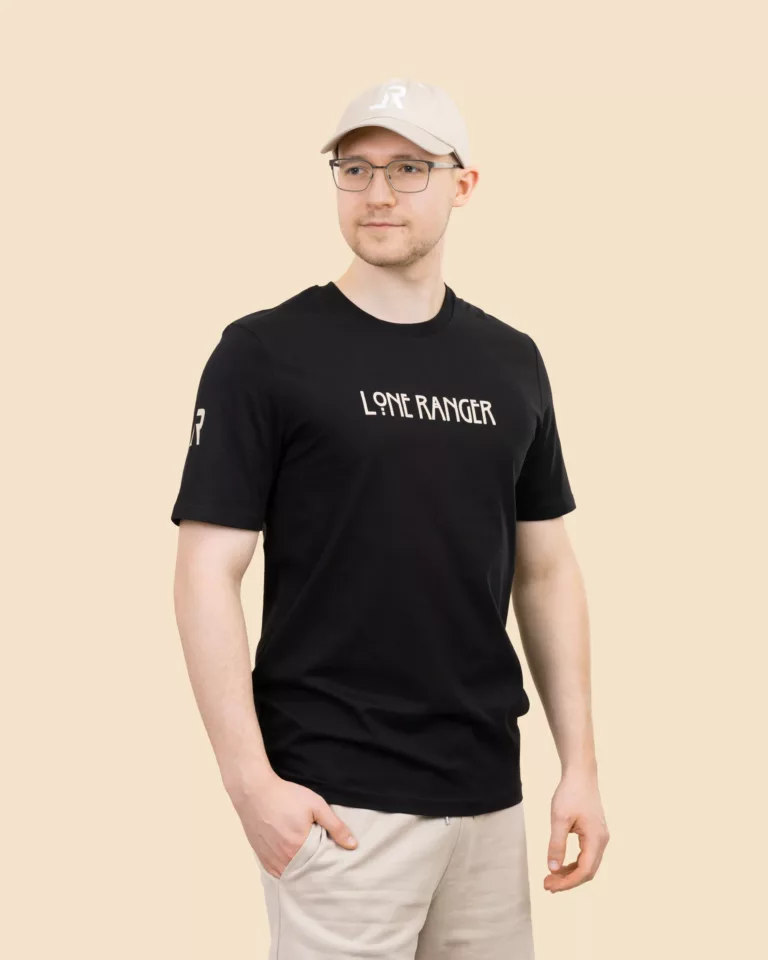
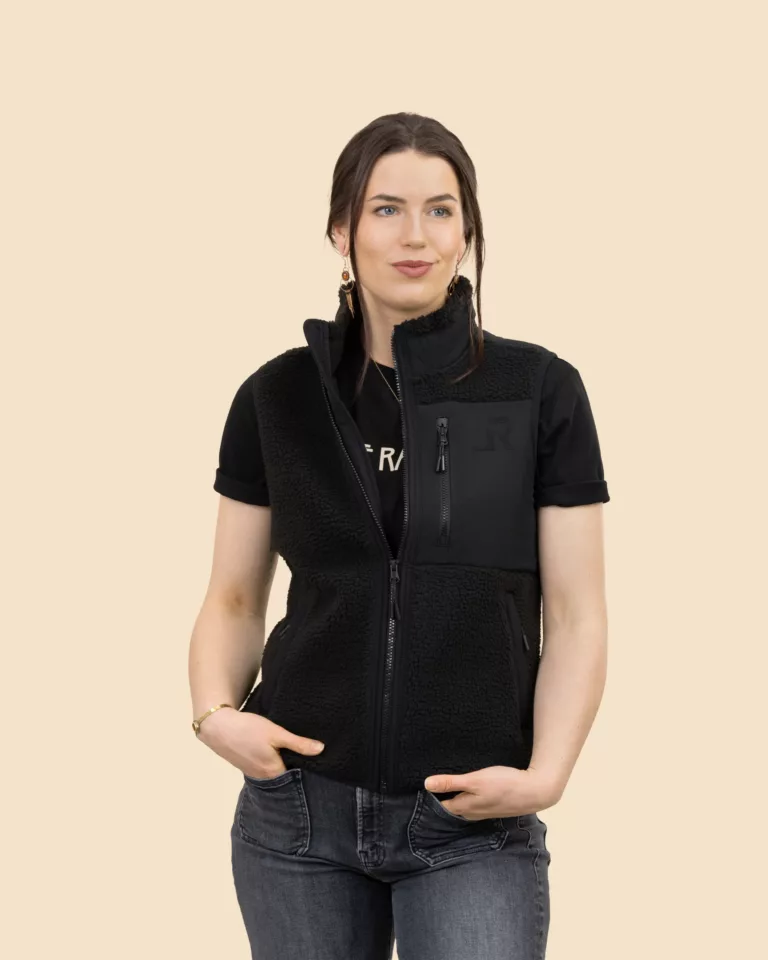
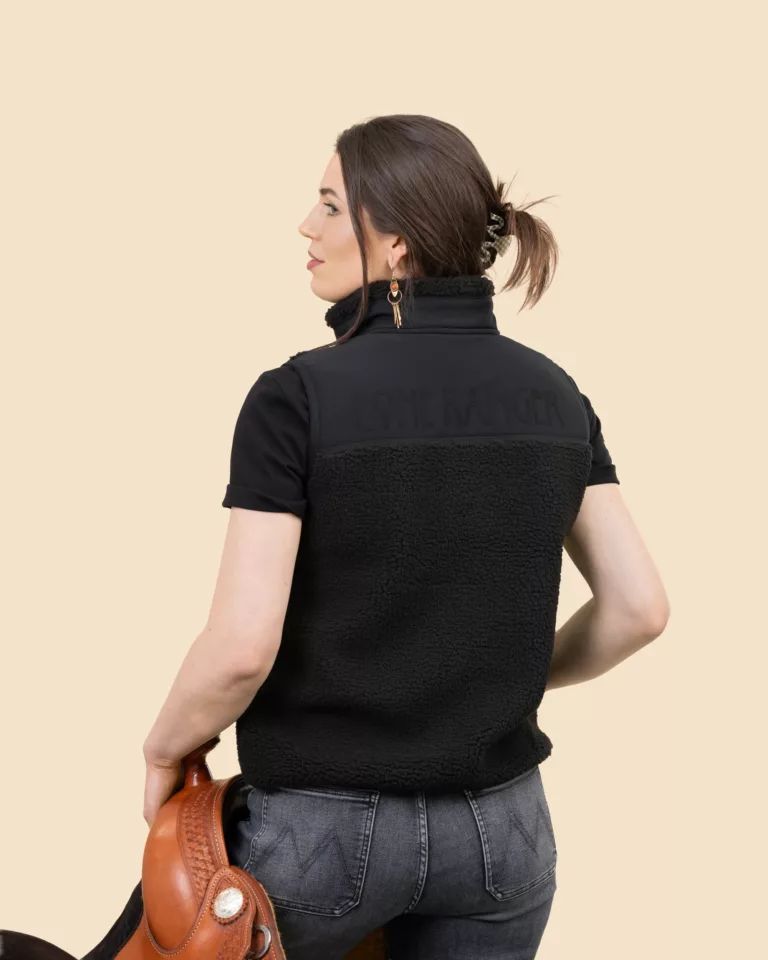
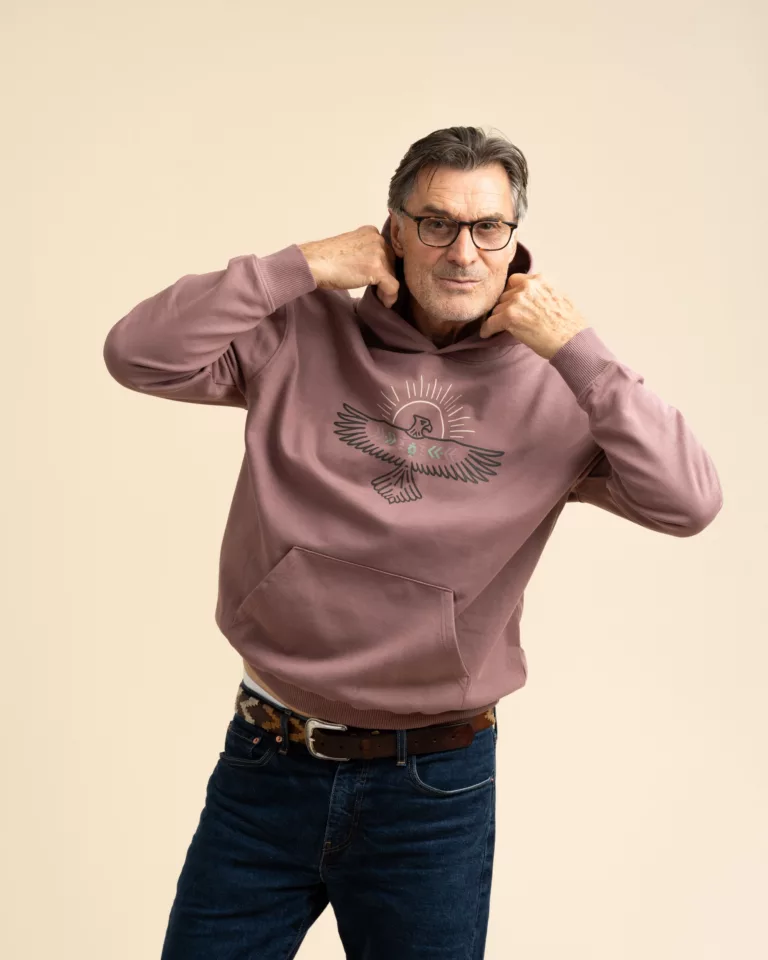
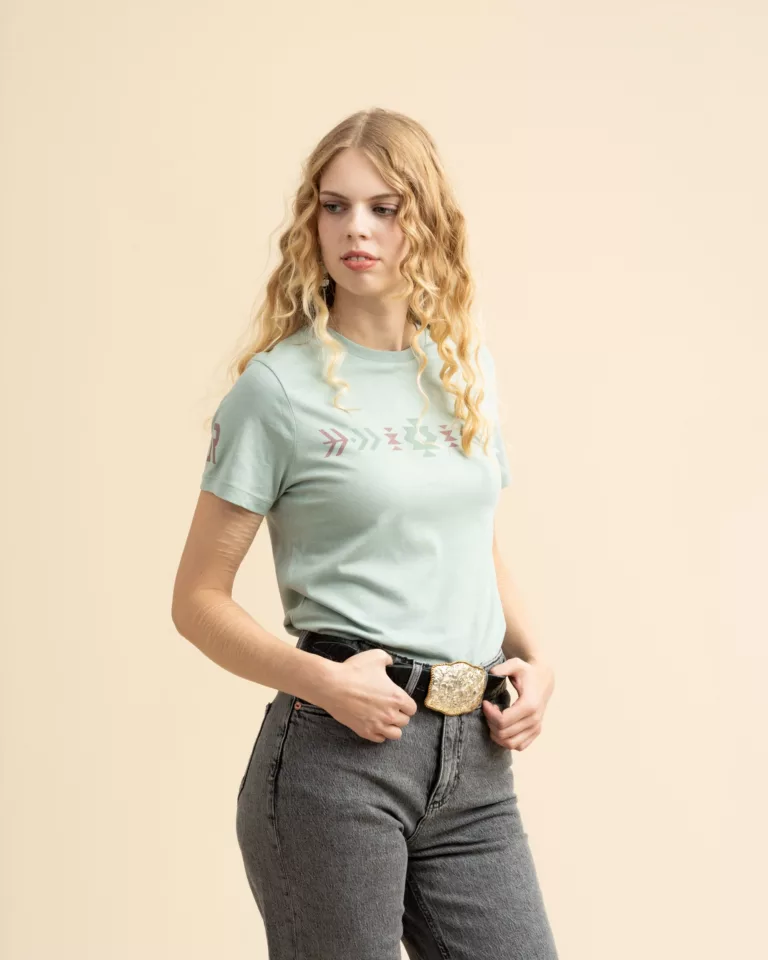
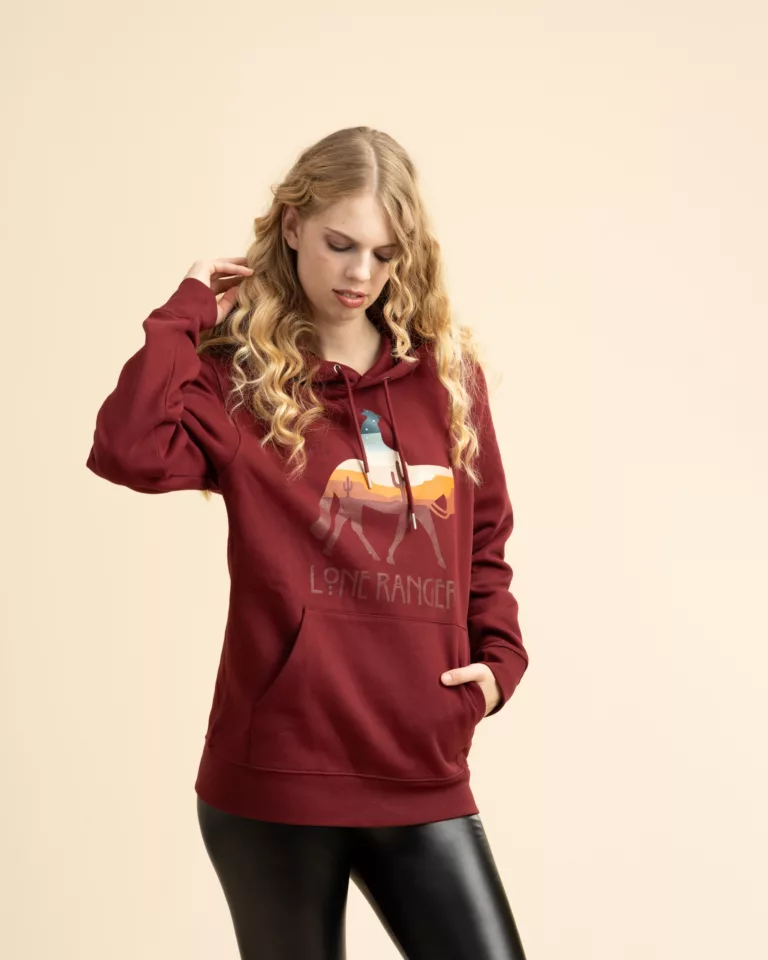
Our clothing is made from organic cotton and recycled materials, chosen because they’re better for the people who produce them and the people who wear them. Our pieces are designed with longevity in mind: classic shapes, quality construction, and materials that hold up over time rather than after one season.
For our jewelry, we collaborate with a master goldsmith in Germany – a working relationship we can stand behind completely, because we know exactly what it involves. The natural stones we use come from small family-run suppliers we work with directly and genuinely support.
The Western spirit at the heart of LavendersRanch has always been about something real: authenticity, responsibility, and the quiet confidence of knowing that what you’re wearing was made the right way.
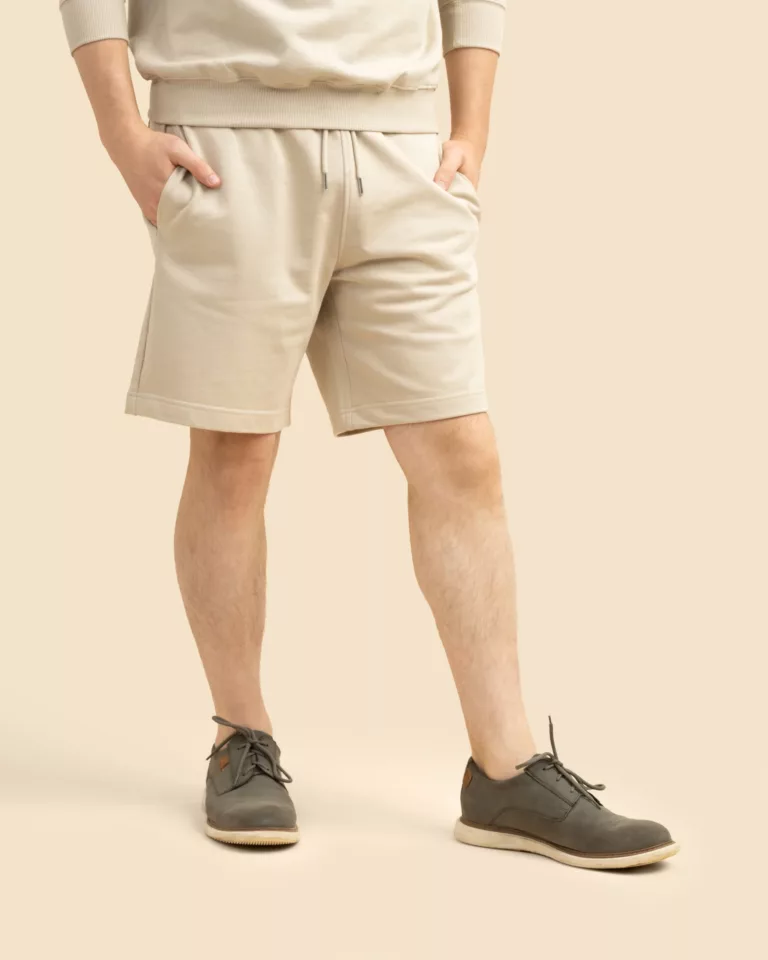
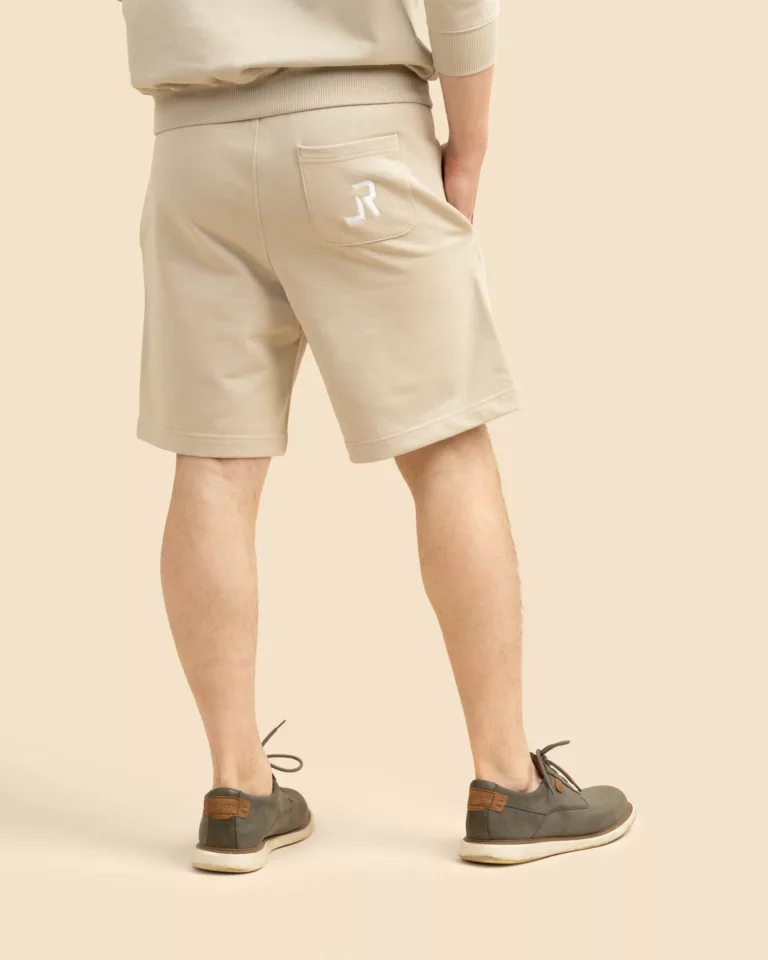
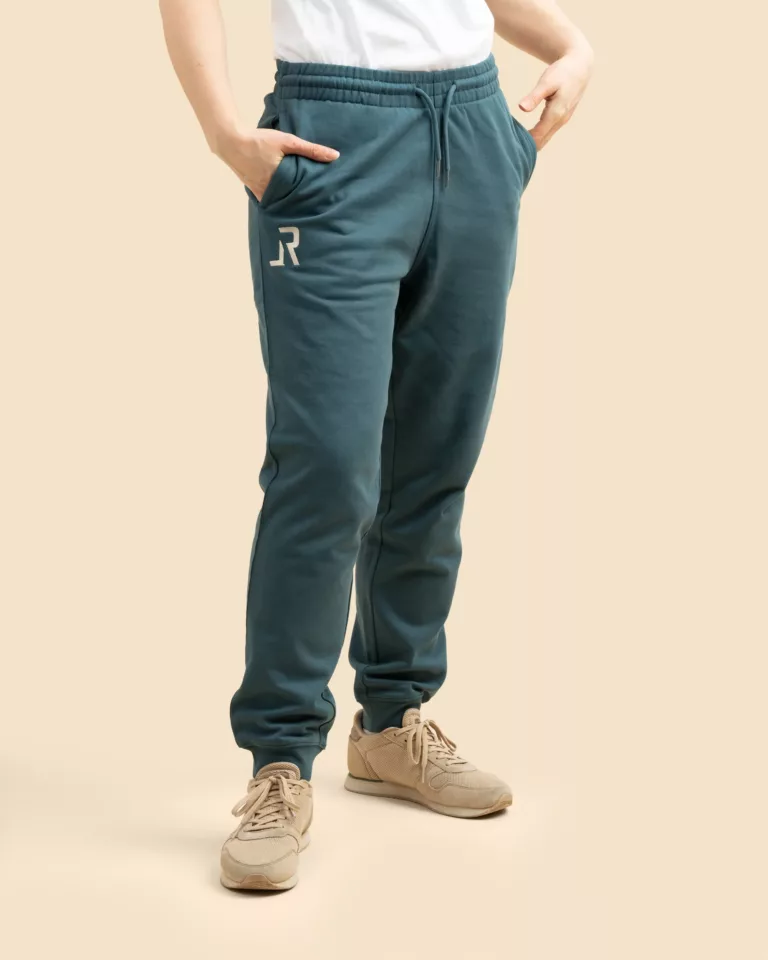
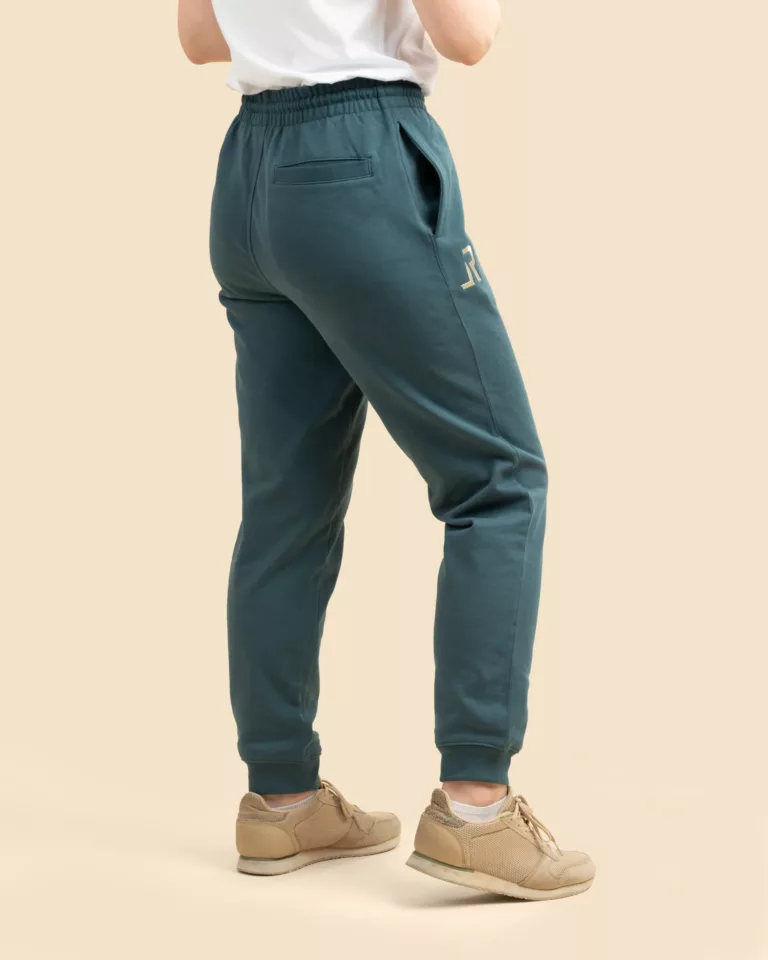
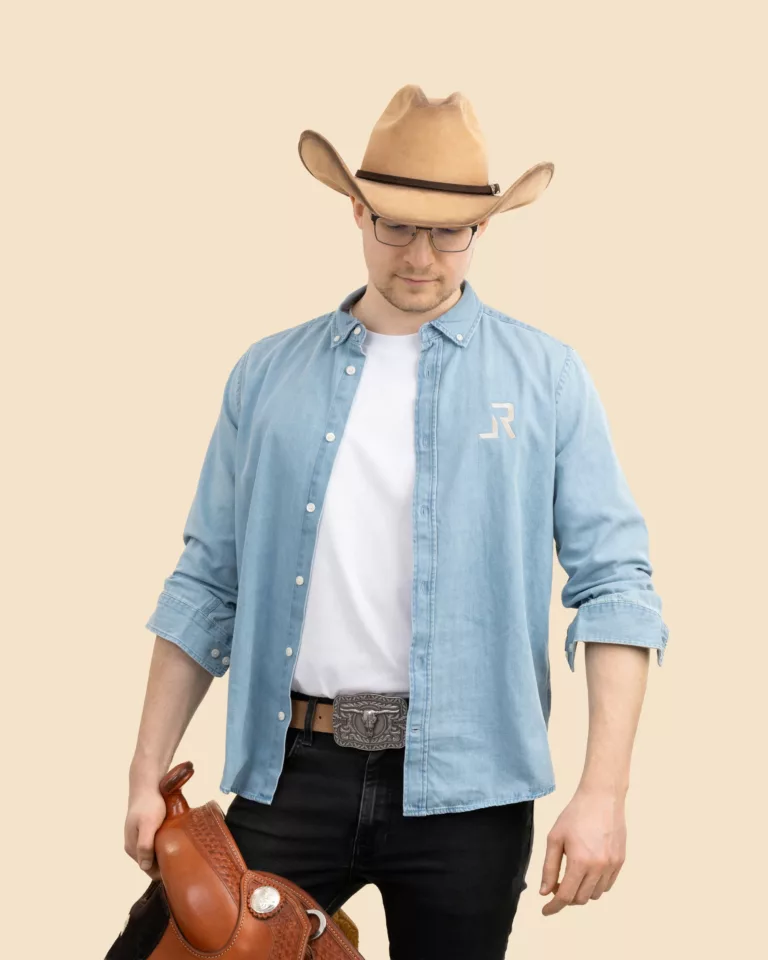
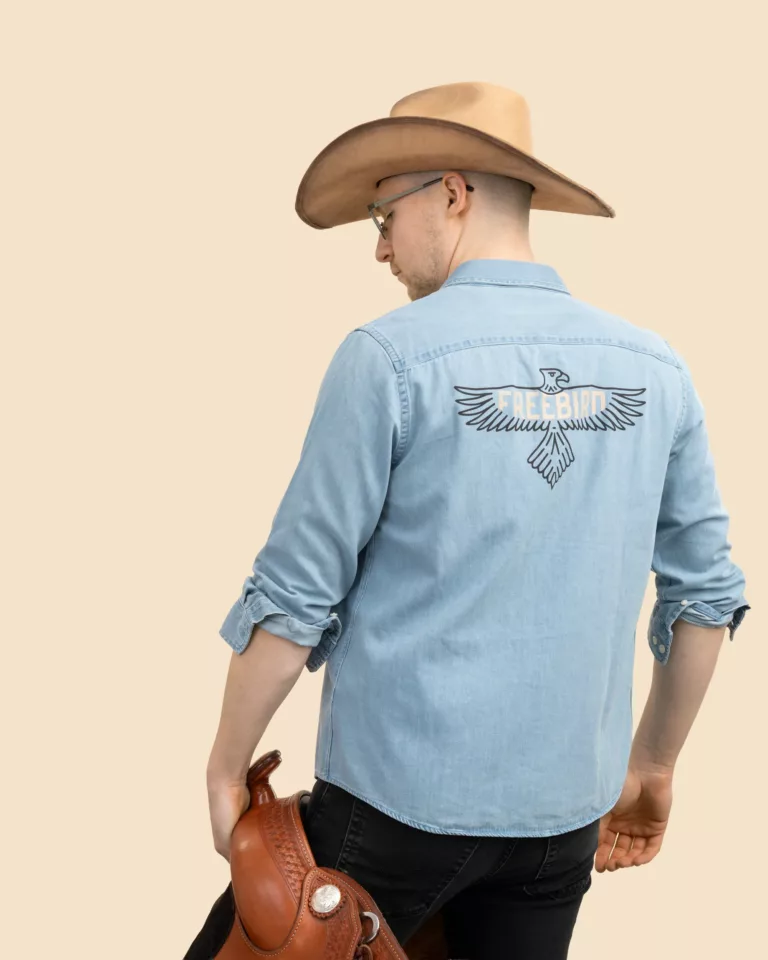
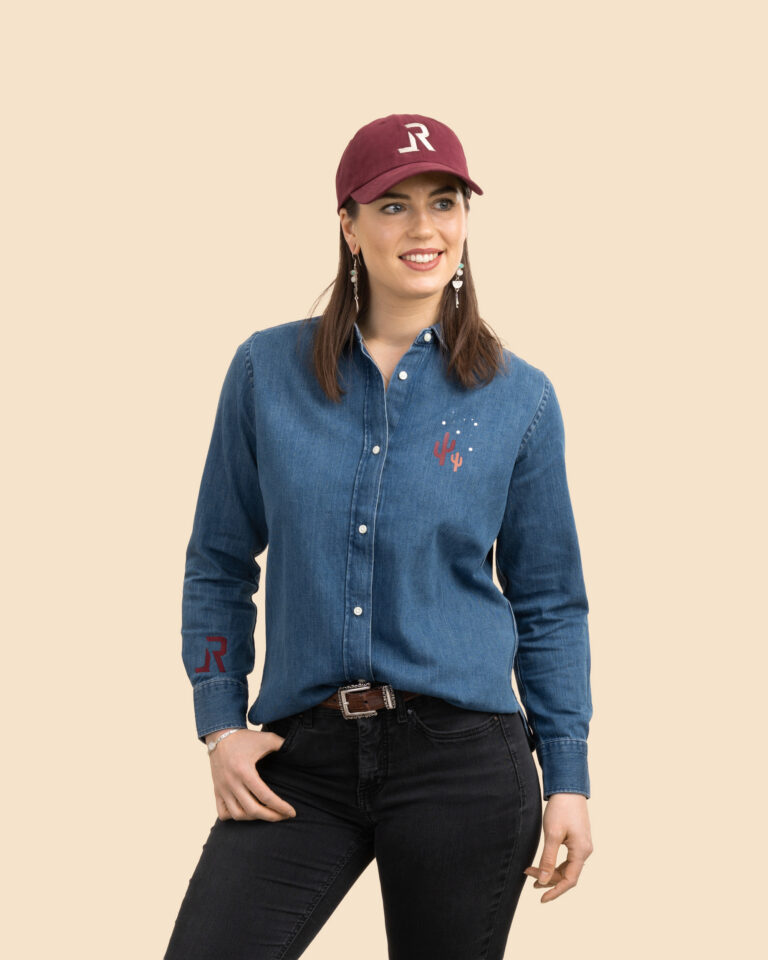
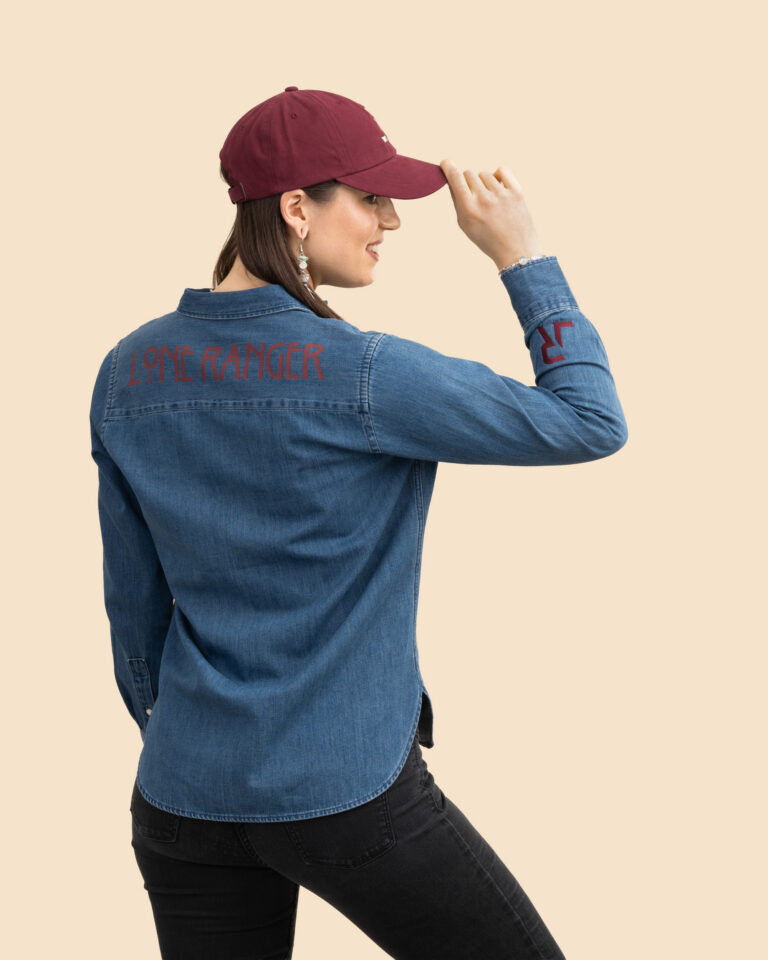
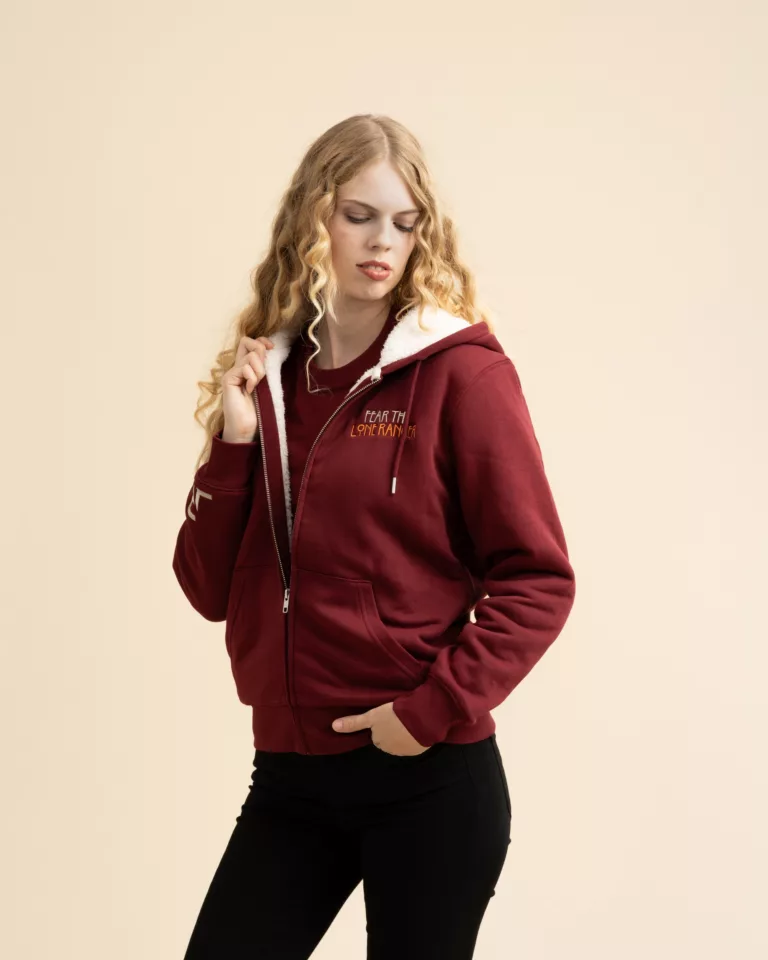
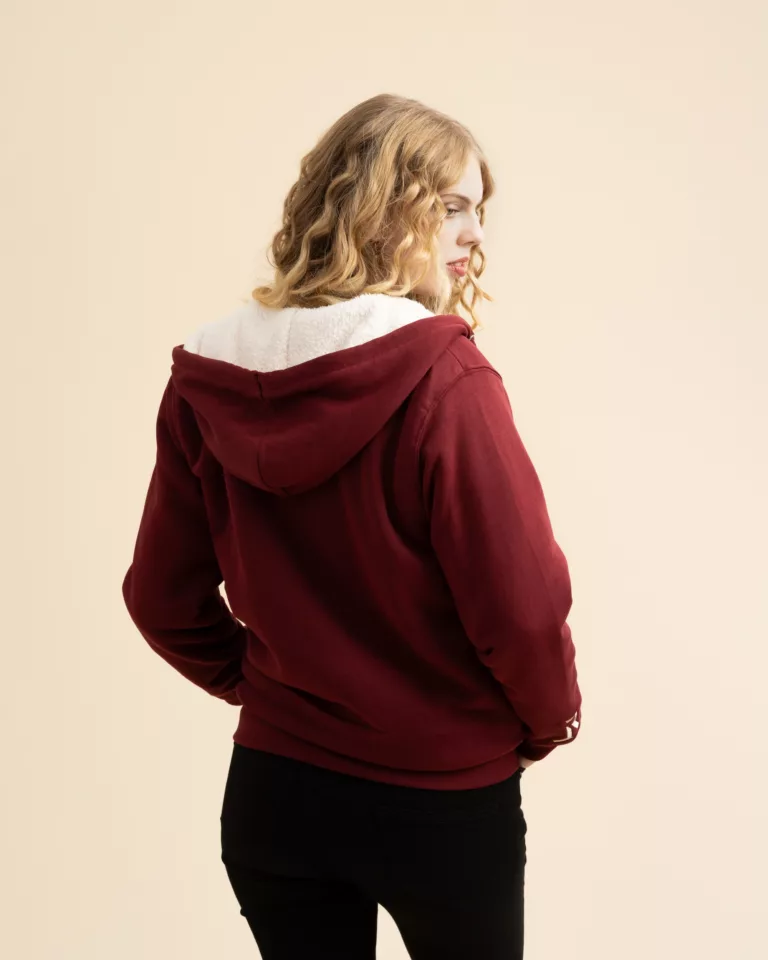
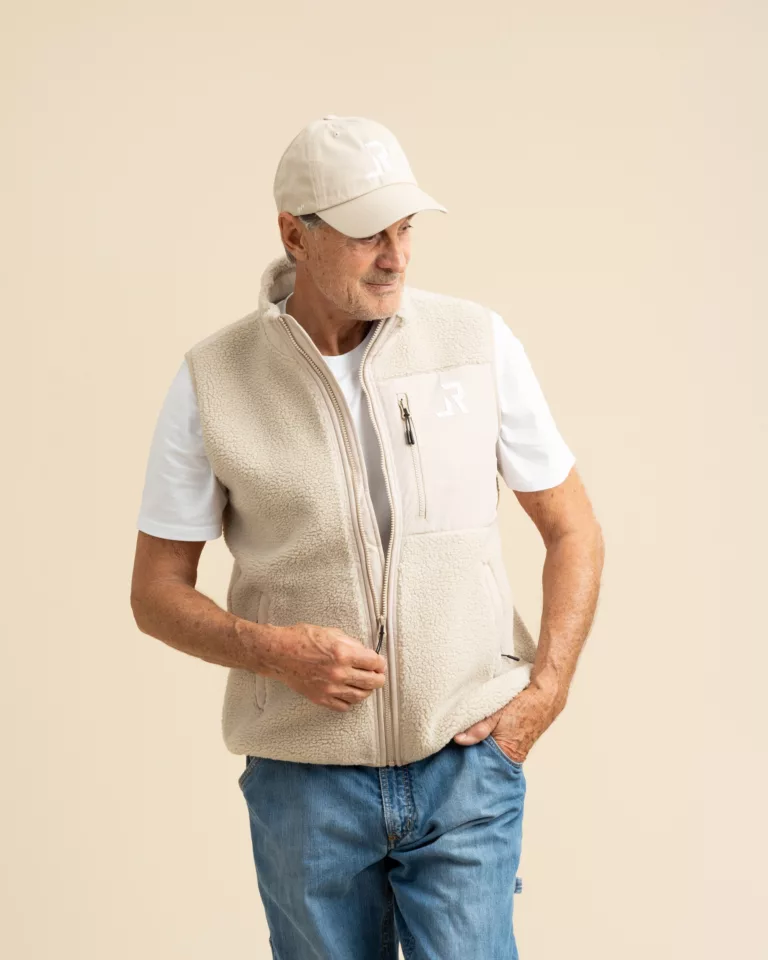
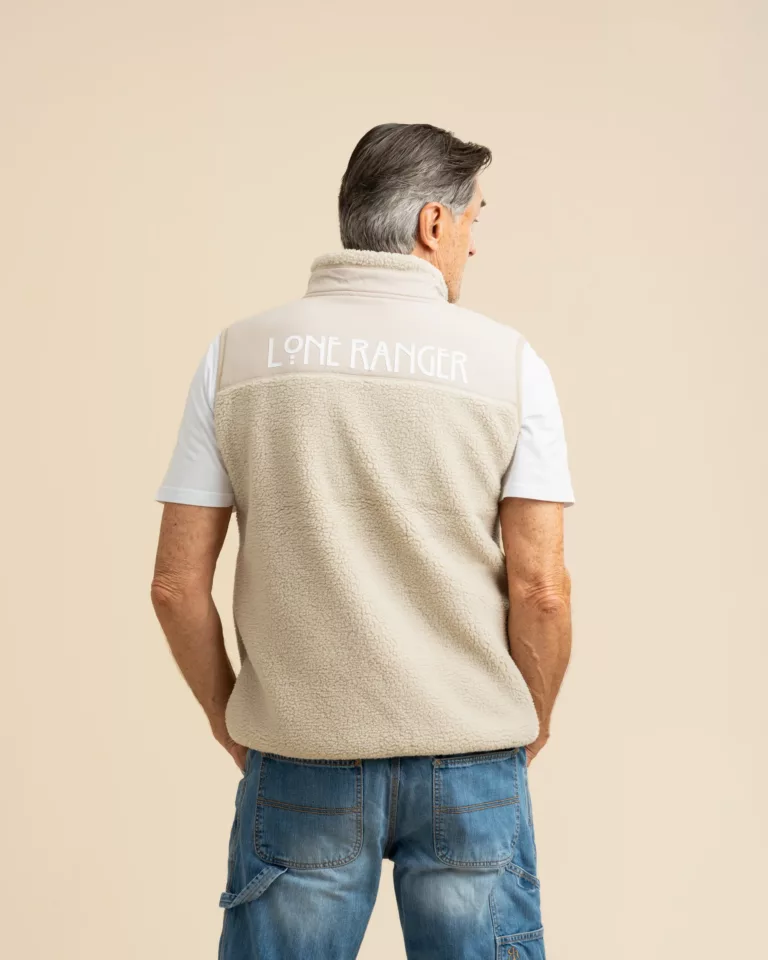
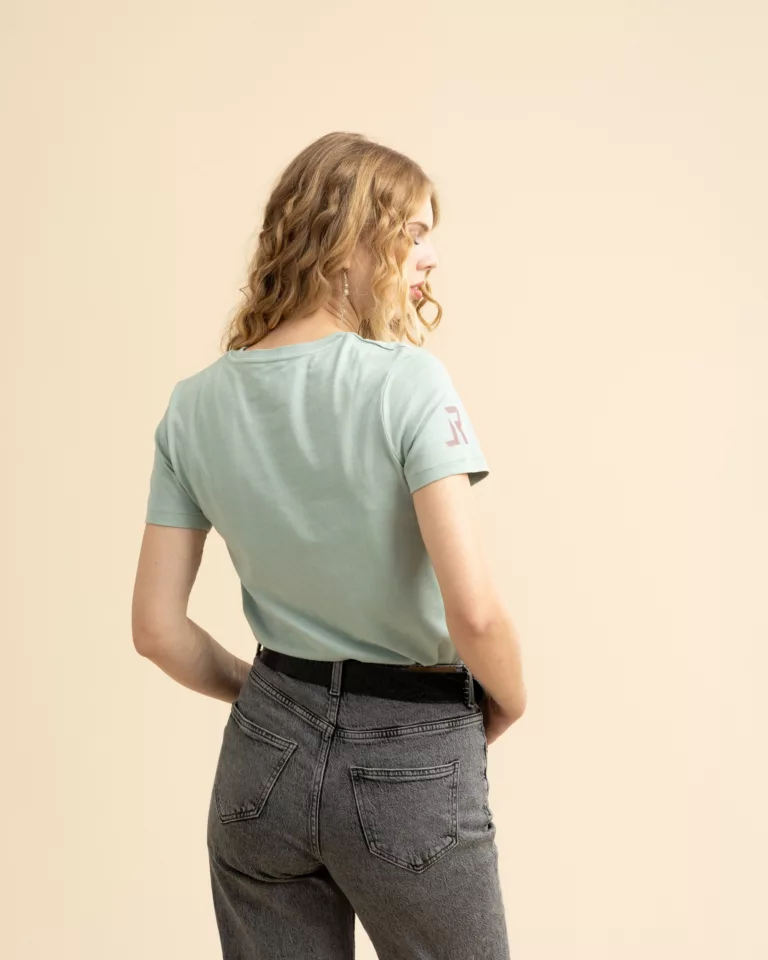
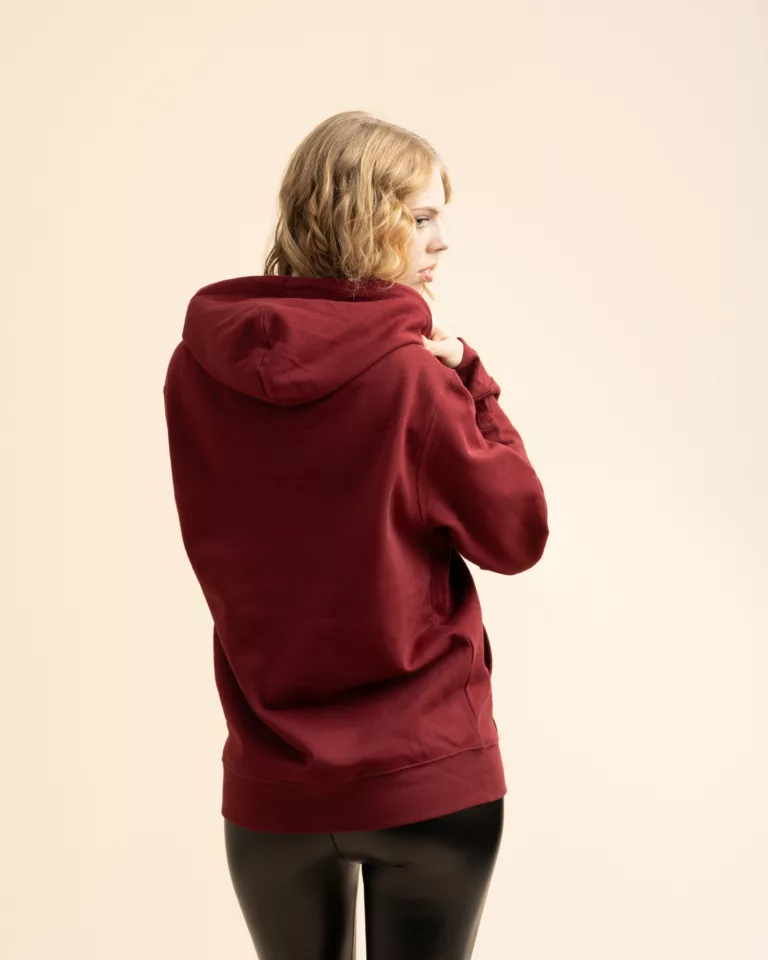
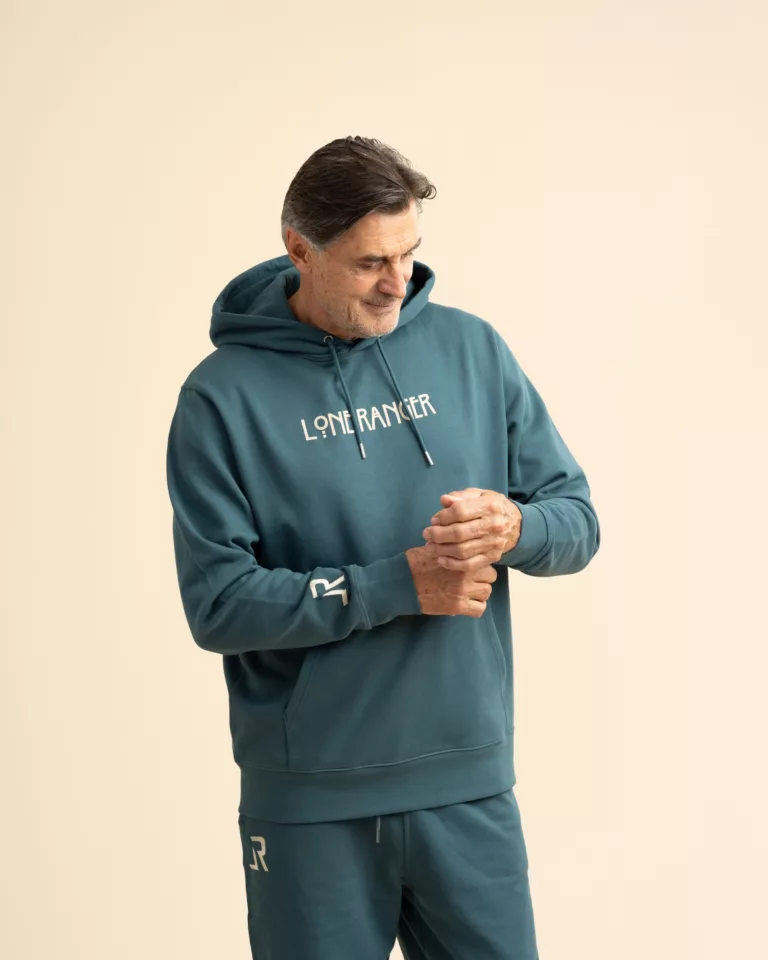
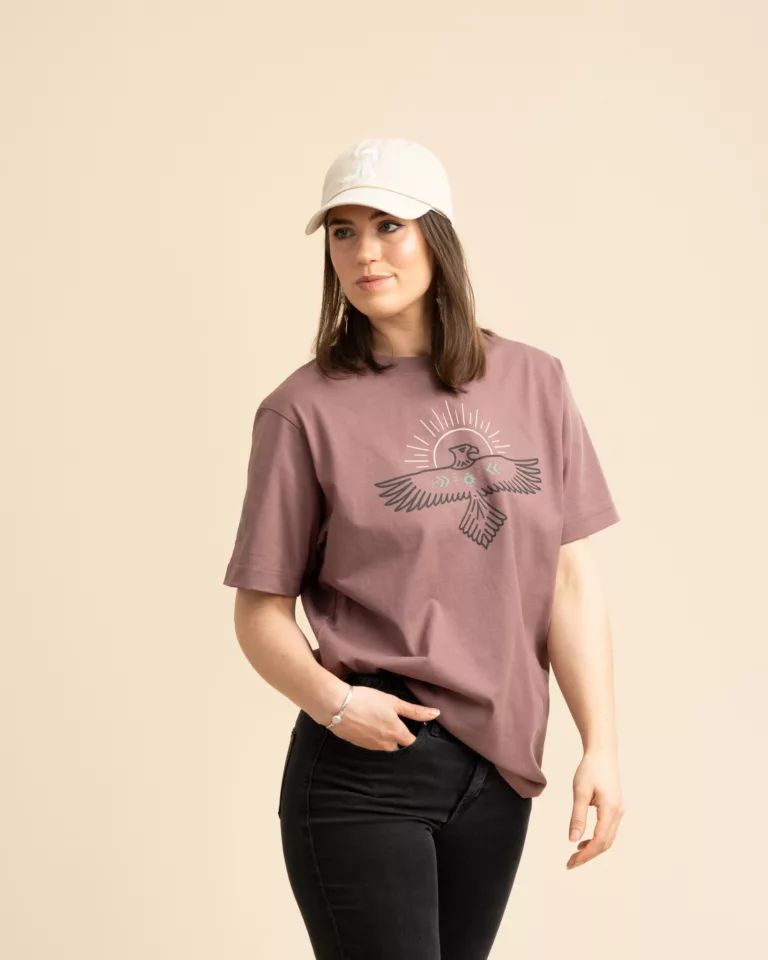
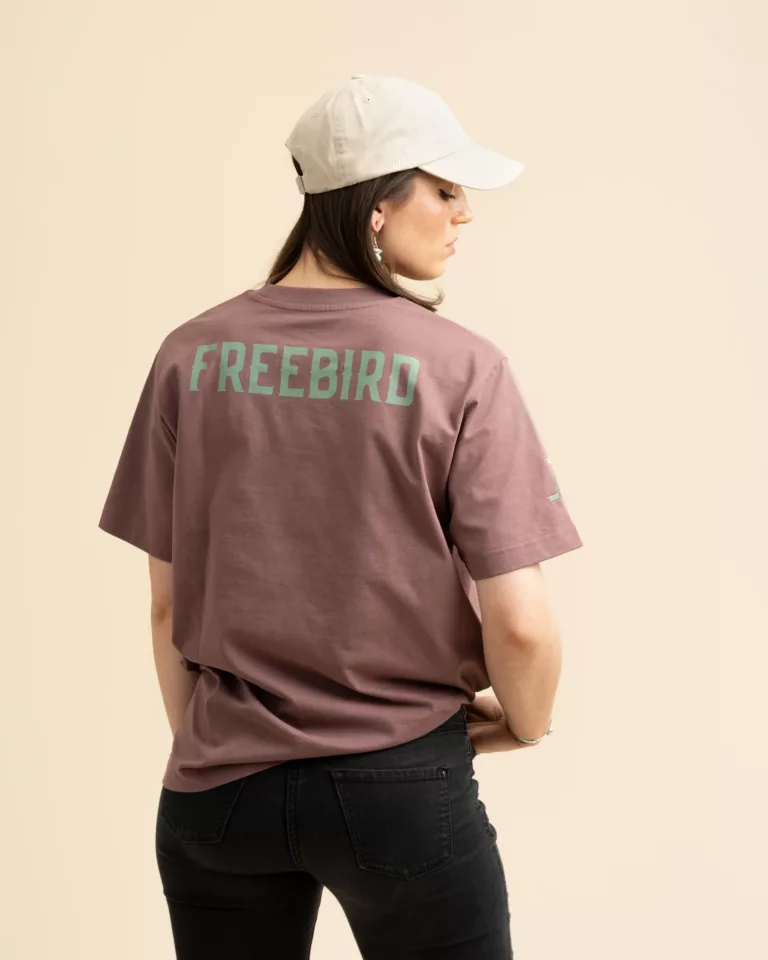
Our Fair Fashion Picks
A curated selection from our collection – pieces made the way we believe clothing should be made:



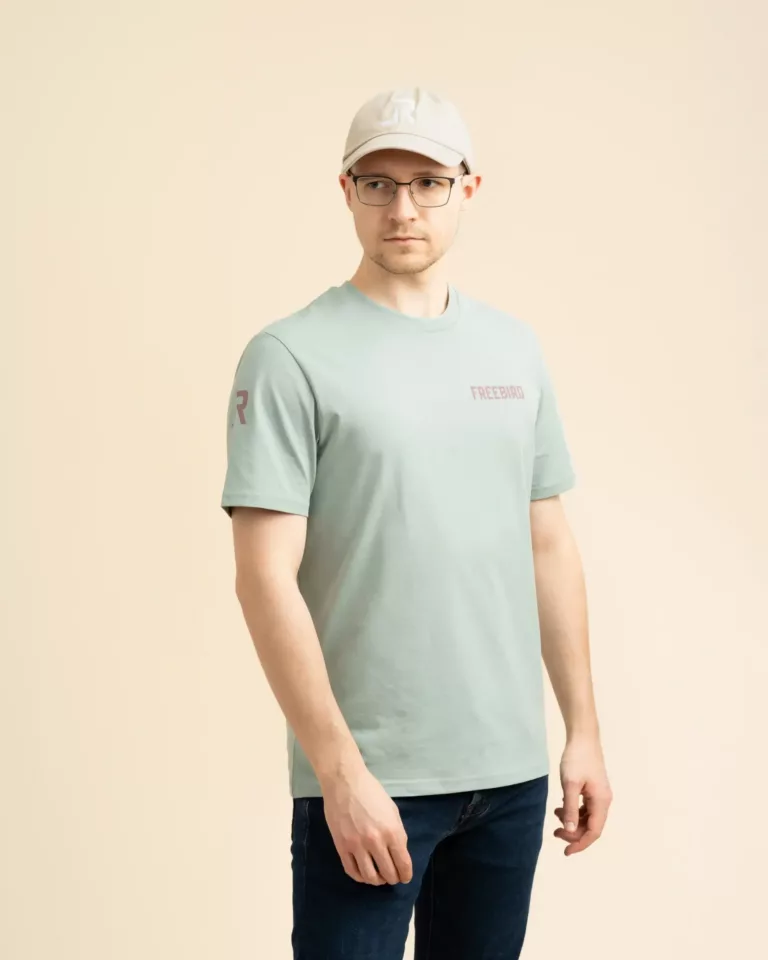
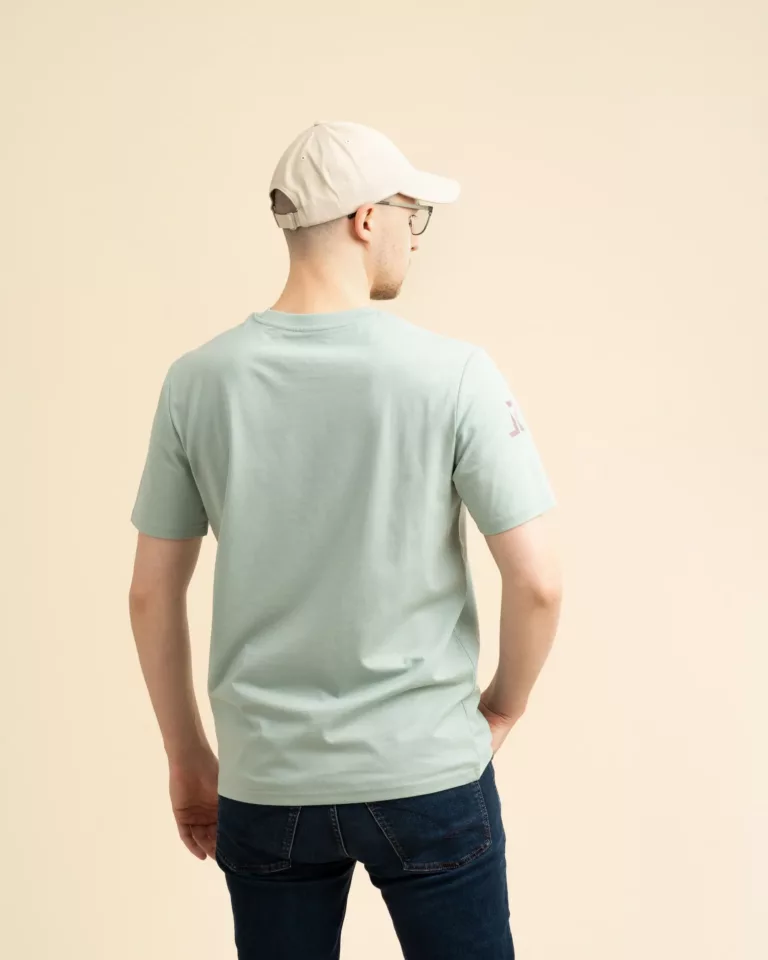
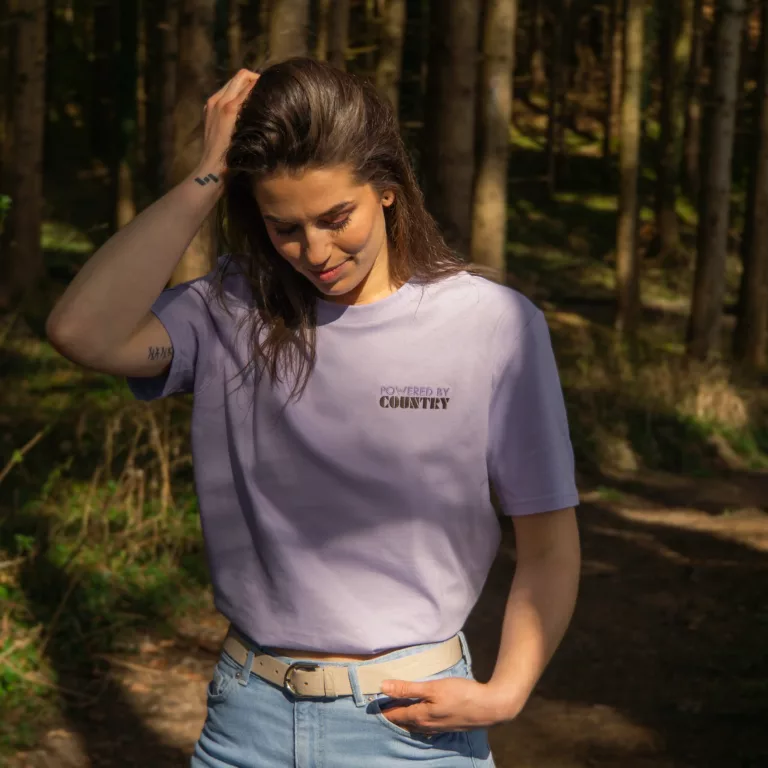

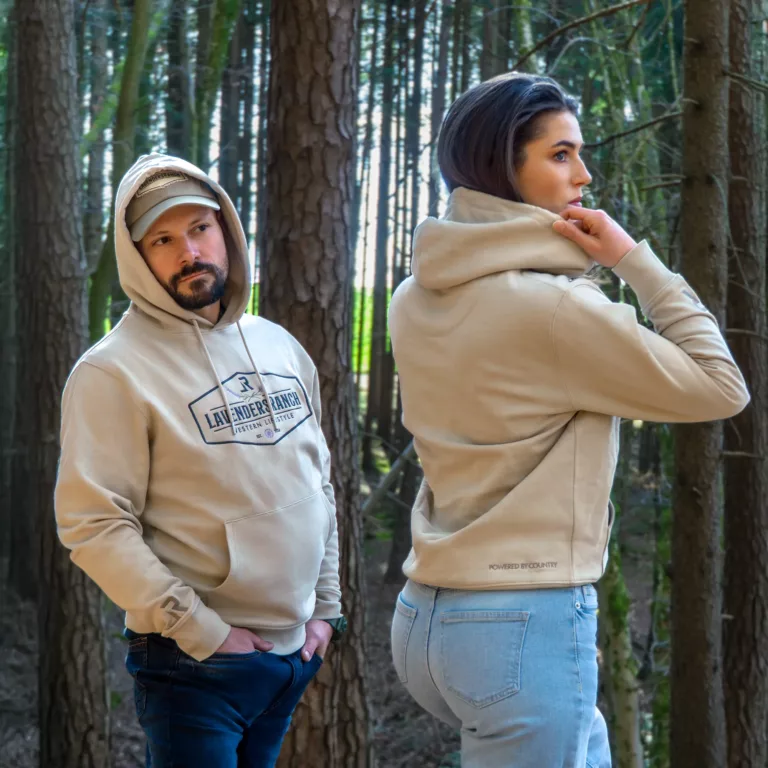

Fair Fashion Is a Choice
And it’s one that adds up.
Every piece of clothing bought from a brand that pays fairly, sources responsibly, and produces with care is a small vote for a different system. It doesn’t require perfection – it requires intention.
For us at LavendersRanch, that intention is built into every decision we make: the materials, the production partners, the design philosophy, and the way we talk about all of it. We hope this article gave you a clearer sense of what fair fashion really means – and what to look for when you’re deciding who to trust with your wardrobe.
If you have questions, we’re always happy to talk.
Take care! 🤠
Lenny
Founder & CEO
LavendersRanch