



How Plastic Waste Becomes Top-Quality Clothing
What If Yesterday’s Plastic Bottle Could Become Tomorrow’s Outdoor Jacket?
It can. And it does – more often than most people realize.
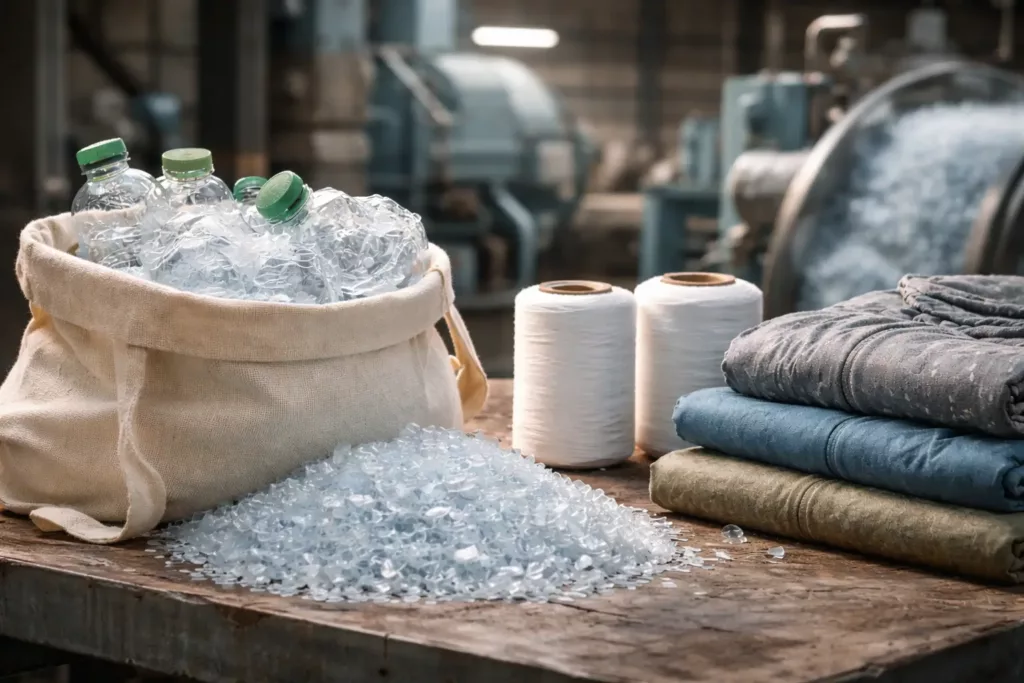
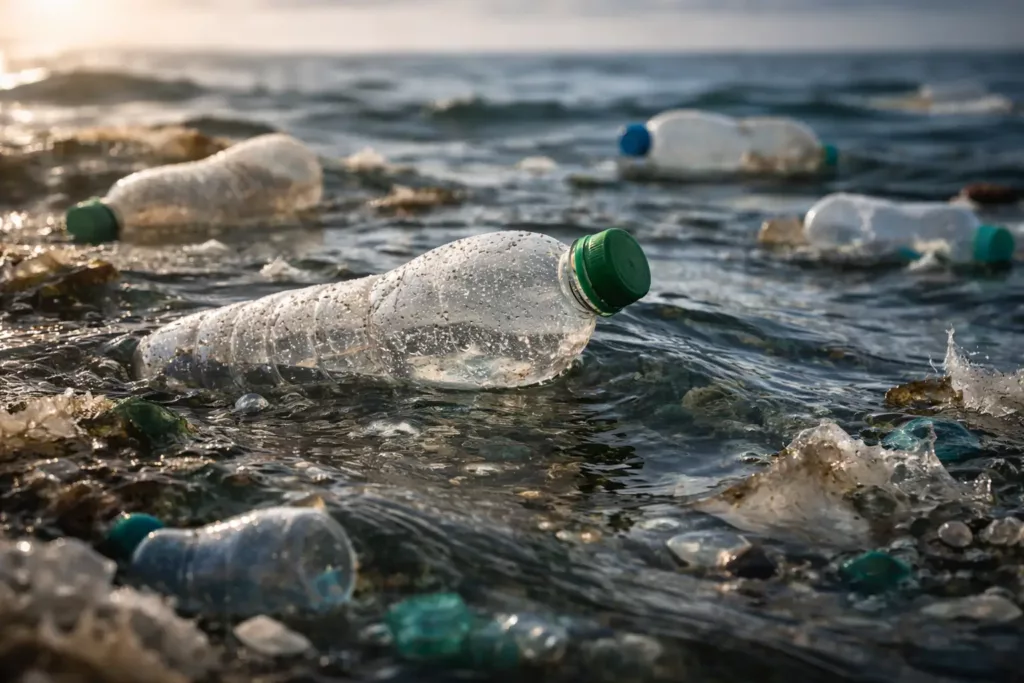
Recycled polyester, also known as rPET, is exactly what it sounds like: polyester made not from virgin petroleum, but from plastic waste that has already served a first purpose. Bottles, packaging, textile offcuts – materials that would otherwise end up in landfill or the ocean are instead processed into high-quality fibers used in modern clothing.
What makes this significant is not just the environmental angle, though that matters. It’s the fact that recycled polyester performs just as well as its conventional counterpart – same durability, same weather resistance, same functional properties – while making better use of materials that already exist.
In this article, we at LavendersRanch will explain exactly what recycled polyester is, how it’s made, where it makes sense, and what its honest limitations are.
Recycled vs. Virgin Polyester – What’s the Difference?
Standard polyester is made from petroleum – a fossil resource that requires extraction, refining, and energy-intensive processing before it can be spun into fiber. It’s durable, versatile, and widely used, but its production comes with a significant environmental footprint.
Recycled polyester starts in a different place: with plastic that already exists. The production process still requires energy, but it bypasses the extraction of new raw materials and diverts existing waste from disposal. The result is a fiber with the same core performance characteristics – strength, weather resistance, shape retention, quick drying – produced with a meaningfully reduced enviormental footprint.
A few honest comparisons:
Environmental impact – Recycled polyester reduces the need for virgin petroleum and helps divert plastic waste from landfill and ocean disposal. Energy use in production is generally lower than for virgin polyester, though exact figures vary by process and should be interpreted with some caution.
Performance – In everyday use, recycled and virgin polyester are essentially indistinguishable. The fiber properties are the same. The durability is the same. A windbreaker made from rPET handles wind, light rain, and repeated movement identically to one made from conventional polyester.
Important caveat – Recycled polyester is not a perfect solution. It still sheds microfibers during washing, and the recycling process itself has limits – most recycled synthetic fibers can only be recycled a finite number of times before fiber quality degrades. These are honest trade-offs worth knowing about, not reasons to dismiss the material.
How Is Recycled Polyester Made?
The process turns post-consumer plastic waste into wearable fiber. Here’s how it works, in plain terms:
Step 1 – Collection: Used plastic – primarily PET bottles, but also other plastic packaging and textile waste – is collected and sorted. PET (polyethylene terephthalate) is the same base polymer used in standard polyester, which is what makes the recycling process chemically coherent.
Step 2 – Cleaning & Shredding: The collected plastic is cleaned to remove contaminants, then shredded into small flakes. These flakes are the raw material for everything that follows.
Step 3 – Melting & Spinning: The flakes are melted down and extruded through fine nozzles to create long, continuous filaments – essentially synthetic fibers. These fibers are then spun into yarn and woven or knitted into fabric.
The resulting material looks, feels, and performs like conventional polyester – because at a molecular level, it essentially is. The difference lies in where it came from and what would have happened to it otherwise.
Is Recycled Polyester Really Sustainable?
This is the question worth discussing, rather than answering with a marketing line.
The real benefits: Recycled polyester meaningfully reduces the demand for virgin petroleum-based materials. It diverts plastic waste that would otherwise contribute to landfill overflow or ocean pollution. And because the base material already exists, the production process generally requires less energy than creating virgin polyester from scratch.
The honest limitations: Synthetic fabrics – including recycled ones – shed microplastic fibers during washing. These microfibers are small enough to pass through water treatment systems and enter waterways. Using a wash bag designed to catch microfibers helps reduce this, but doesn’t eliminate it entirely.
Recycling also has a ceiling: the polymer chains in recycled polyester degrade slightly with each cycle, which means the material can only be recycled a limited number of times before the quality becomes unsuitable for clothing production.
And perhaps most importantly: the sustainability of any garment is determined largely by how long it’s worn. A recycled jacket worn 300 times over five years has a dramatically better environmental profile than the same jacket worn 30 times and discarded. Material choice matters – but longevity multiplies its impact.
Why Recycled Polyester Is Ideal for Outdoor Clothing
Not every garment benefits equally from synthetic materials – but outerwear is genuinely one of the best use cases for recycled polyester, and here’s why.
Functional outerwear needs to do specific things well: resist wind and light moisture, hold its shape under movement, pack down small, and withstand repeated use across different conditions. Recycled polyester delivers on all of these without compromise.
It’s lightweight – adding protection without adding bulk. It’s shape-stable – garments hold their structure wash after wash. It’s quick-drying – relevant both during wear and after washing. And it’s durable – the same fiber properties that make virgin polyester reliable in workwear and outdoor gear apply equally to its recycled counterpart.
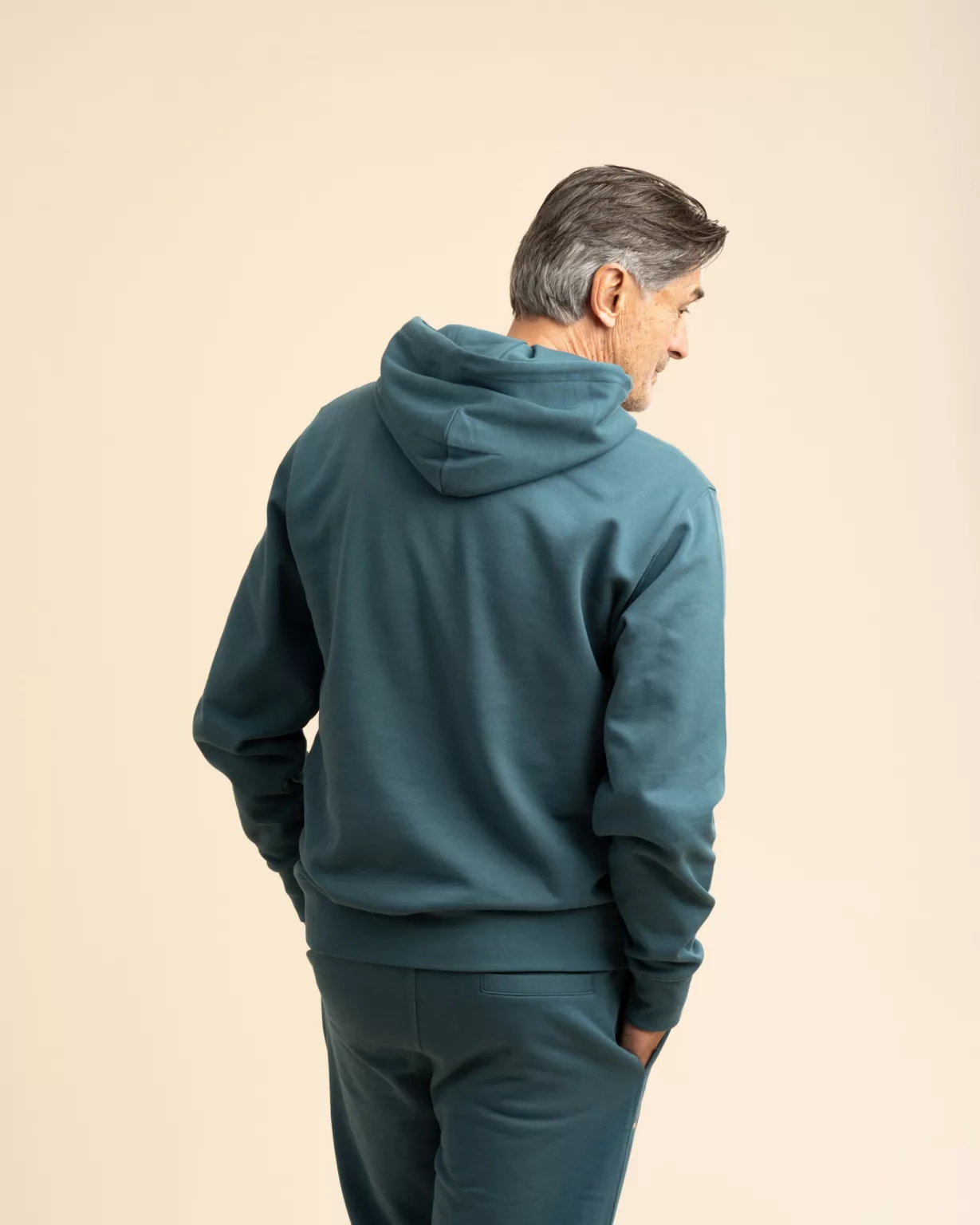
In practice, this translates well to windbreakers, vests, and sweatshirt jackets – pieces designed for everyday movement, transitional weather, and the kind of layering that adapts to a day that doesn’t stay the same temperature from morning to evening.
Our Approach – Function Meets Responsibility
At LavendersRanch, selected pieces in our collection are made from 100% recycled polyester – a material choice that fits both our functional requirements and our commitment to more responsible production.
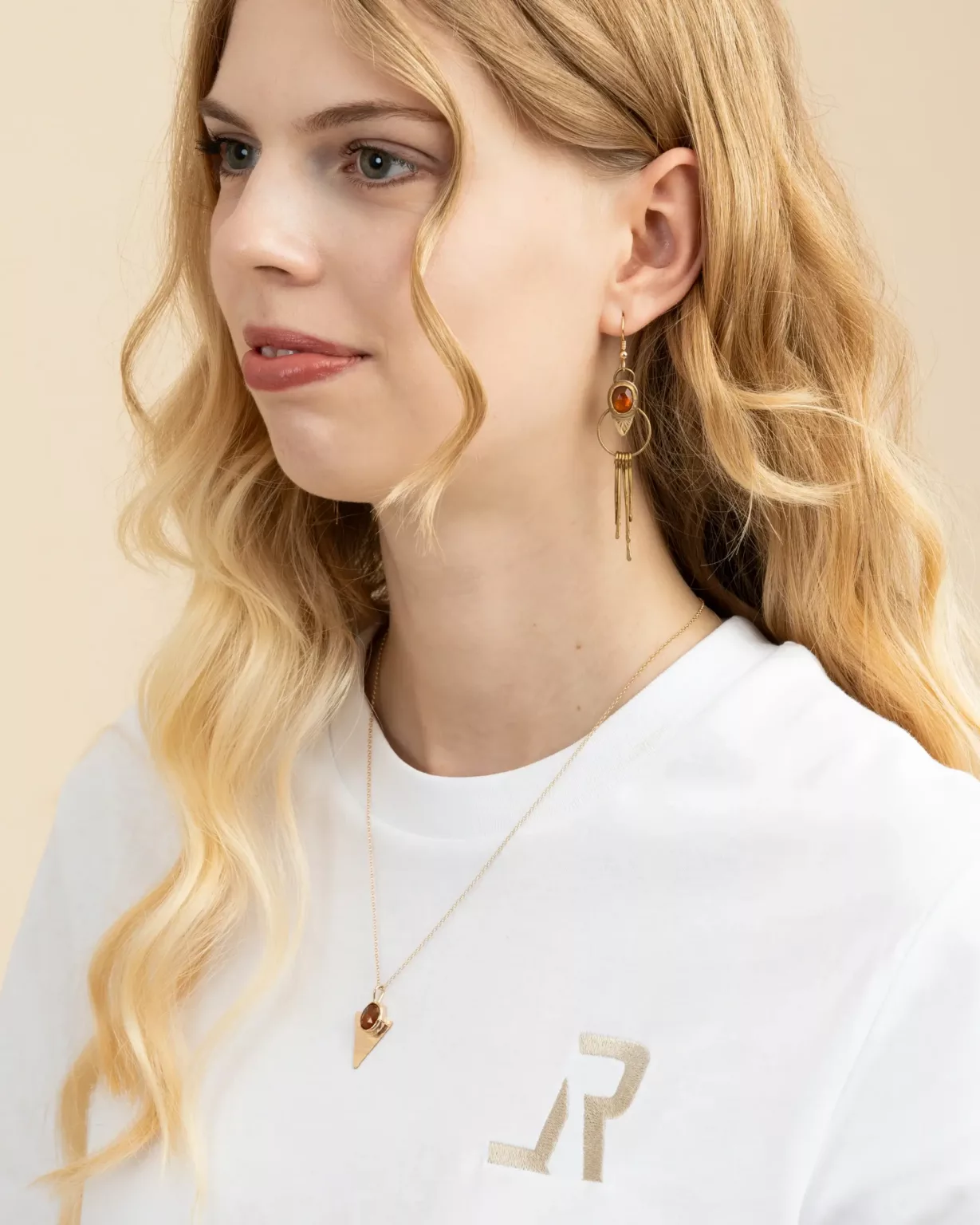
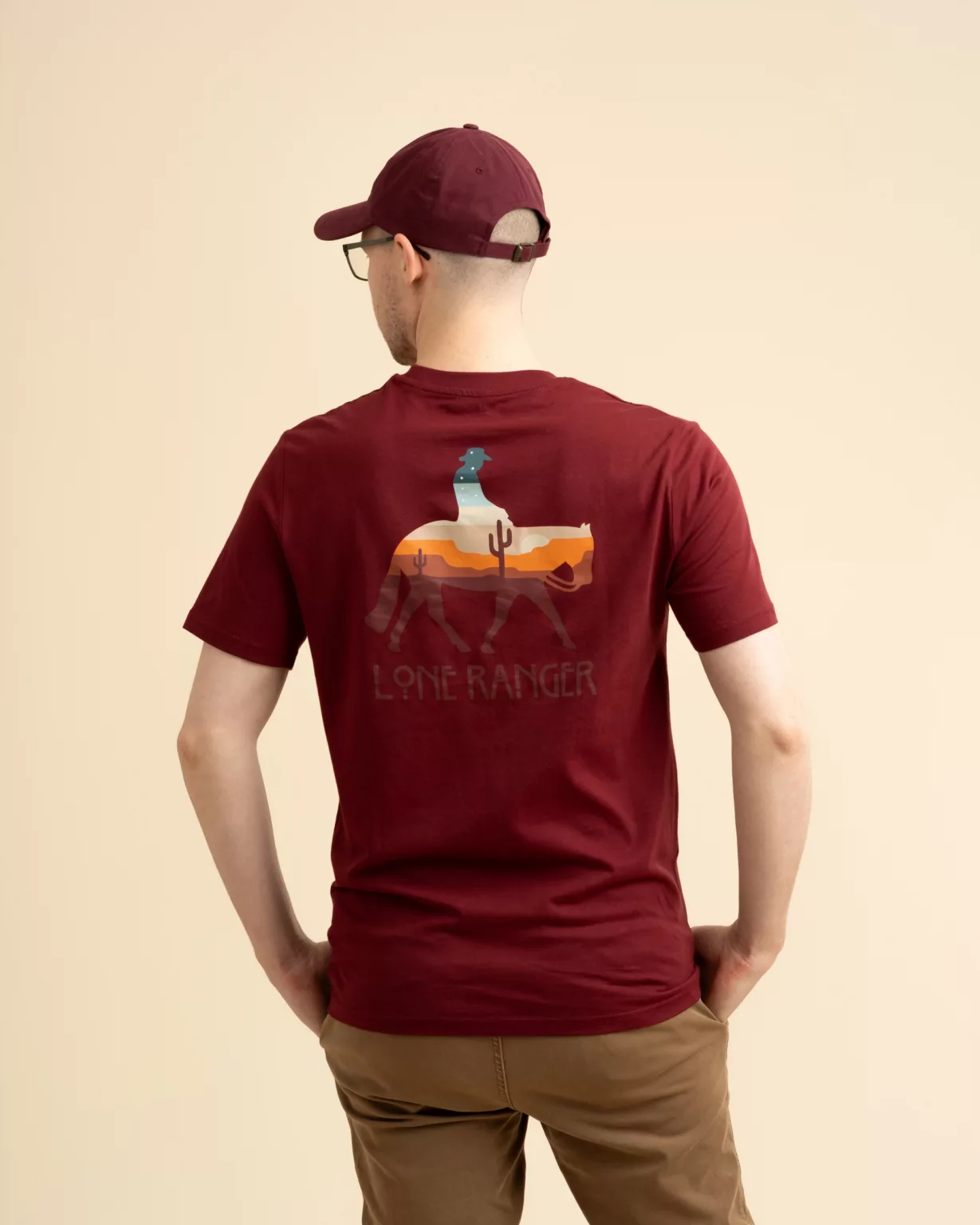
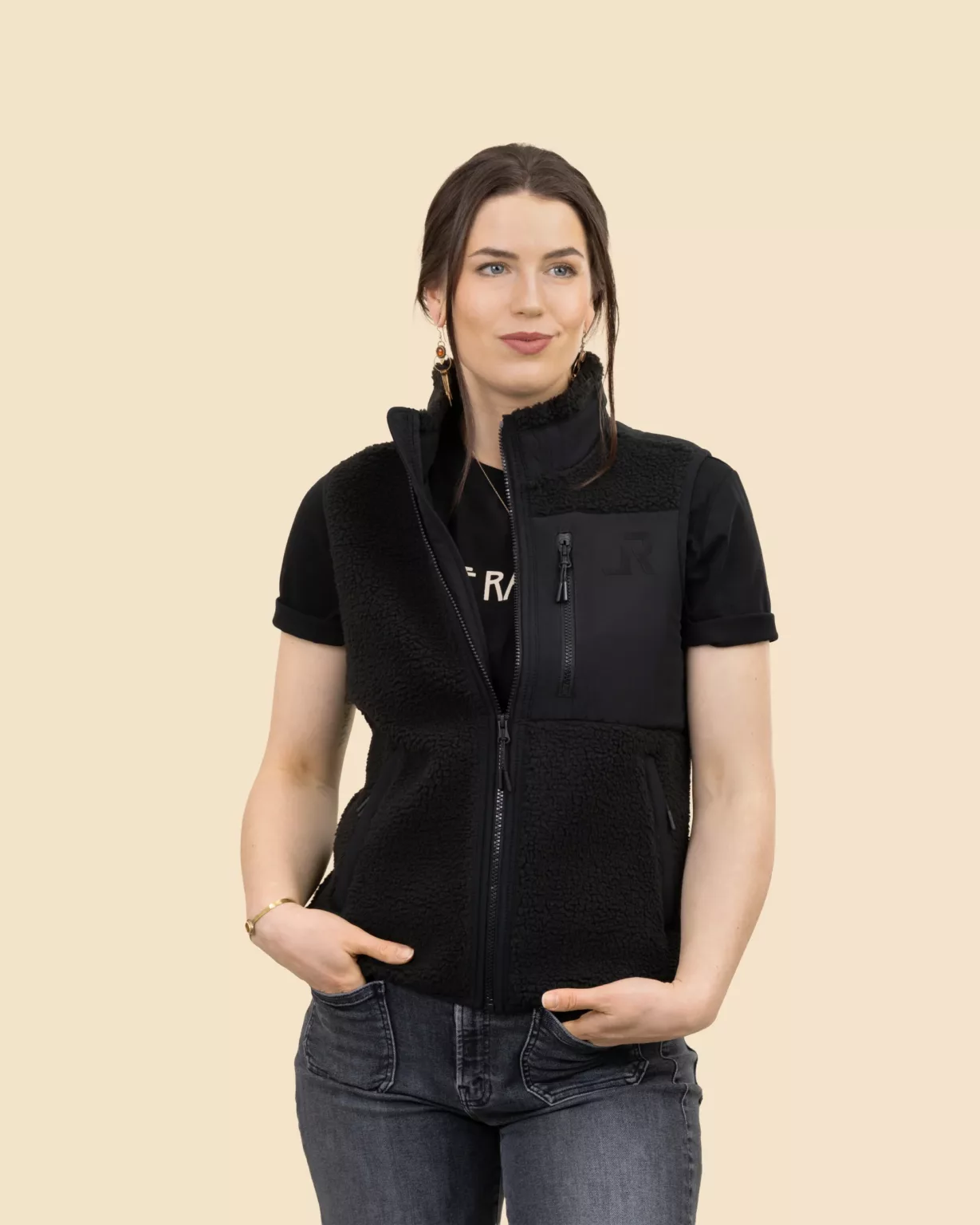
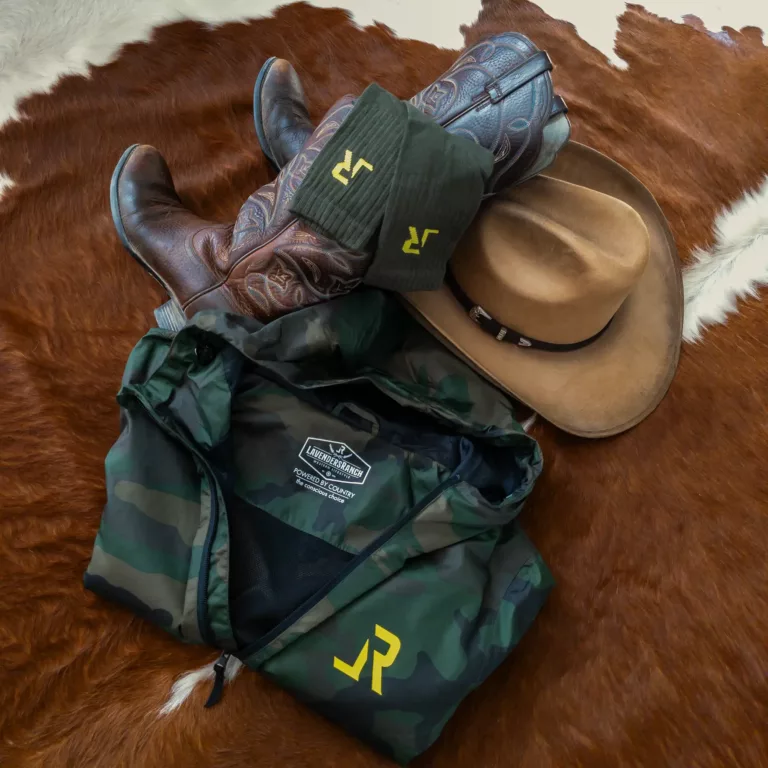
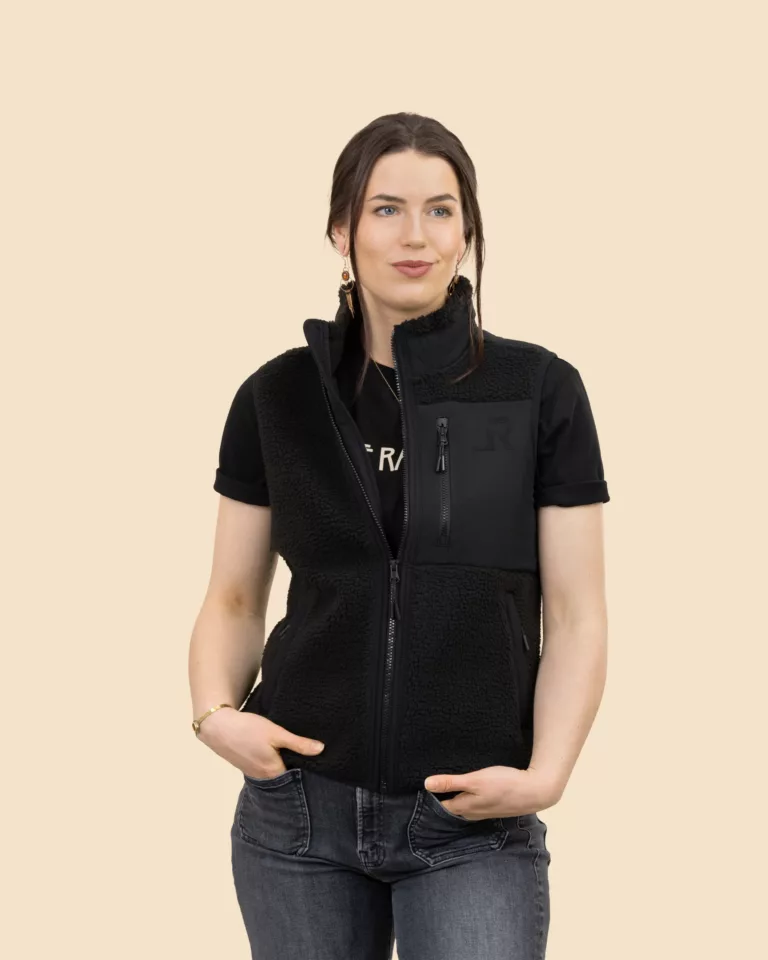
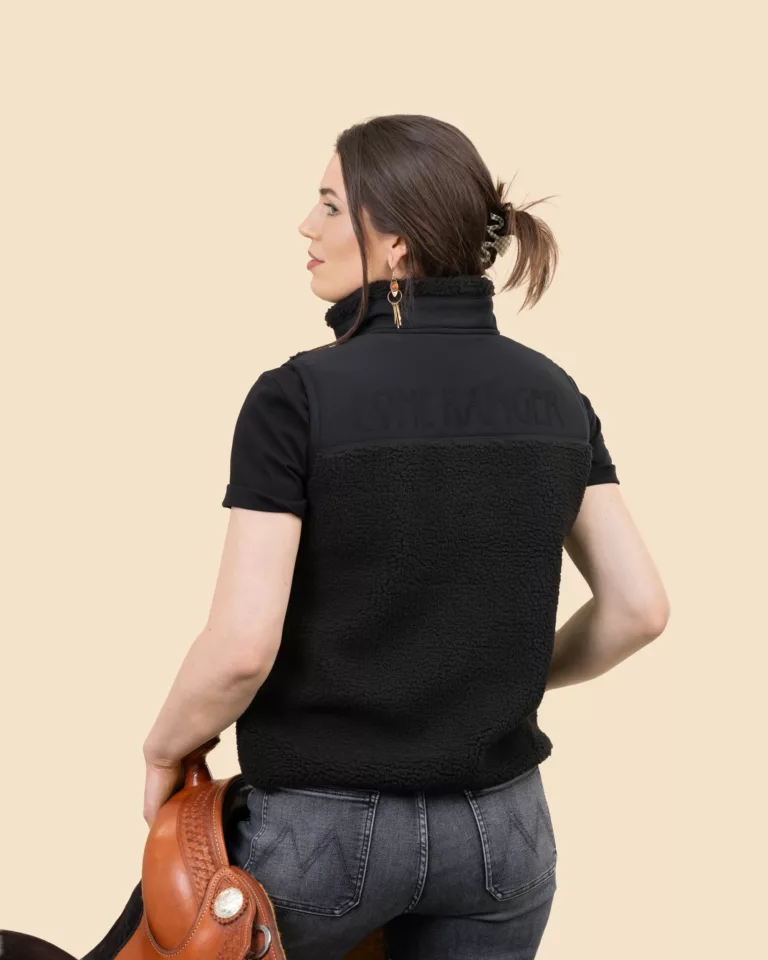
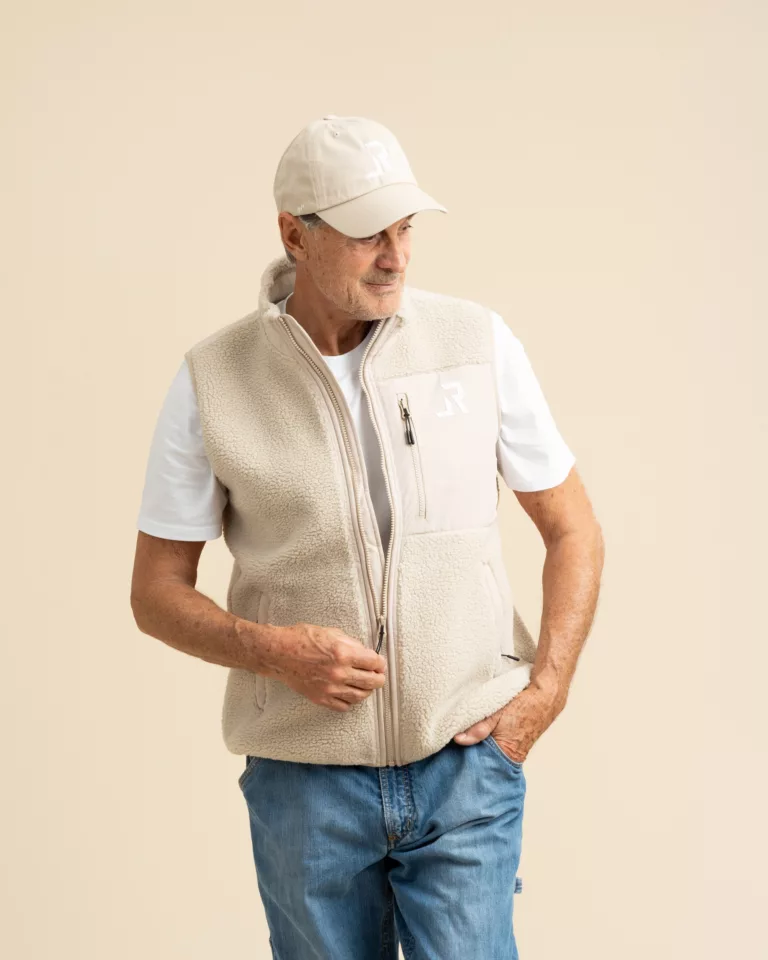
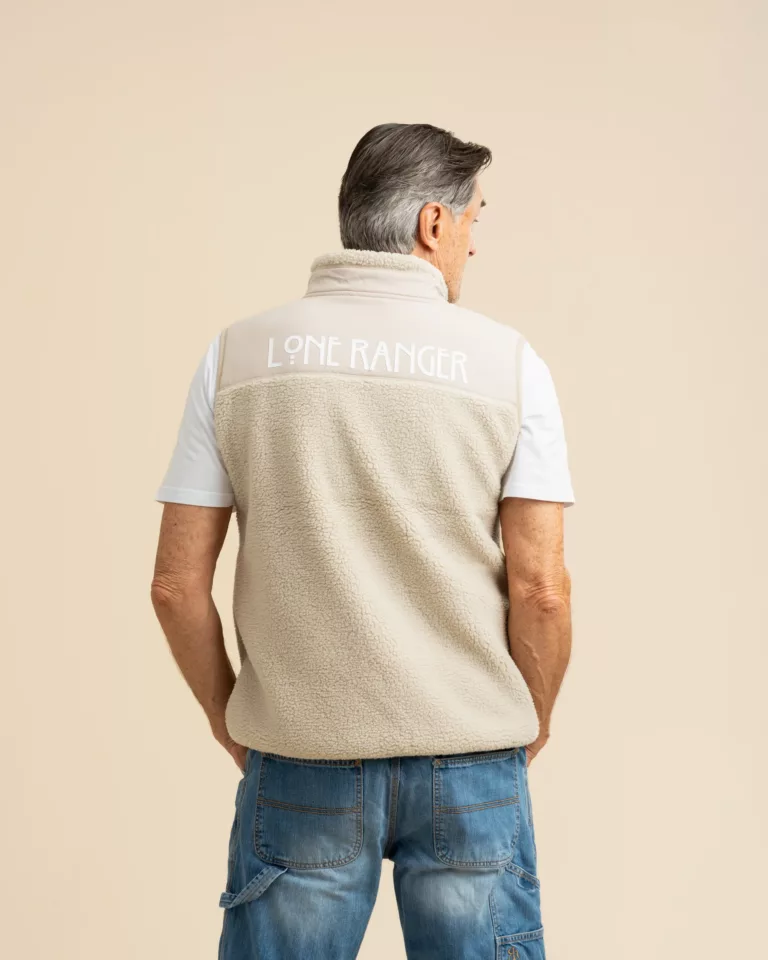
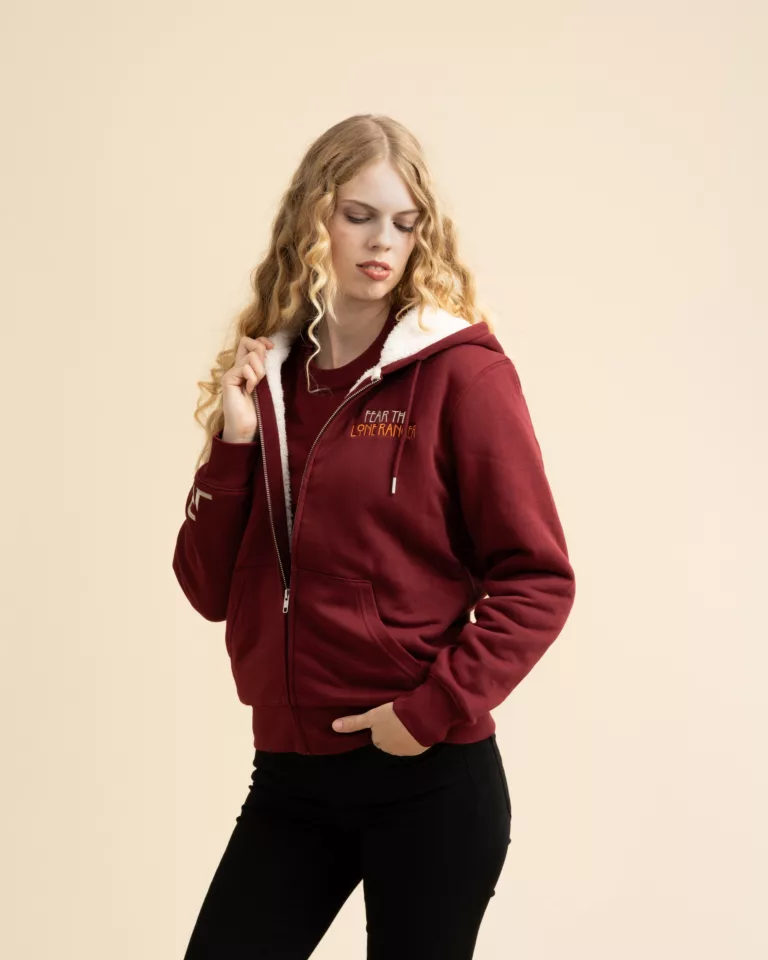
These aren’t compromise pieces. They’re designed for genuine everyday use: wind protection that actually works, construction that holds up over time, and a fit built for movement rather than just appearance. The BETAZZELED Windbreakers, LONE RANGER Sherpa Vests, and LONE RANGER Teddy Jacket in our recycled collection are built on that principle – durable, functional, designed to last.
Fair production conditions and honest material choices go hand in hand for us. A garment made from recycled polyester but produced irresponsibly isn’t a step forward – which is why our approach to sustainability considers both dimensions.
When Does Recycled Polyester Make Sense?
Recycled polyester isn’t the right material for every garment – and we wouldn’t claim otherwise. But in specific contexts, it’s genuinely the smarter choice.
It makes sense when function is the priority: outdoor use, movement, wind protection, transitional weather. It makes sense in layering pieces that need to be lightweight and packable without sacrificing durability. And it makes sense when longevity is the goal – because a well-made synthetic outer layer, properly cared for, can accompany you through years of daily wear.
Not every garment needs polyester. But in functional outerwear, it can be the most proper choice available – particularly when that polyester gives plastic waste a second, longer life.
Our Recycled Collection
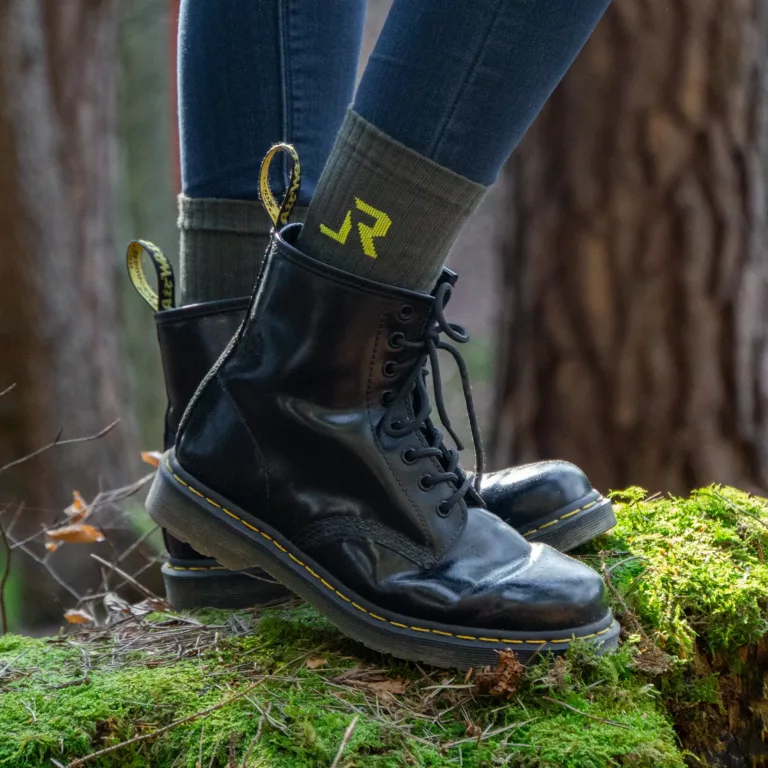
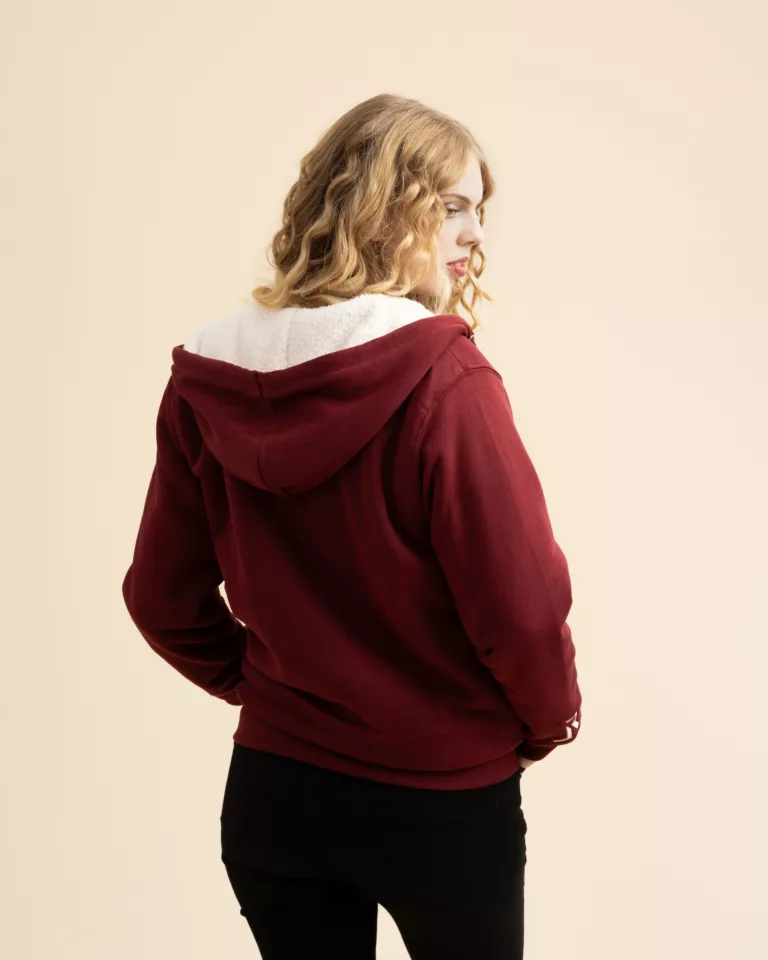
Pieces made from 100% recycled polyester – functional, durable, made responsible:



From Waste to Wearable – The Short Version
Plastic waste becomes high-quality fiber. High-quality fiber becomes functional outerwear. Functional outerwear, worn for years, makes the original material choice count.
That’s the logic behind recycled polyester – and it’s why we use it at LavendersRanch. Not as a label, but as a genuine decision in favor of materials that make sense: for the environment, for quality, and for the kind of clothing worth keeping.
If you’d like to explore our recycled outerwear collection or have questions about specific pieces, we’re always happy to help.
Howdy! 🤠
Lenny
Founder & CEO
LavendersRanch